
supporting parents and
children to learn together


Blog: Screens, tantrums and young children’s brain development
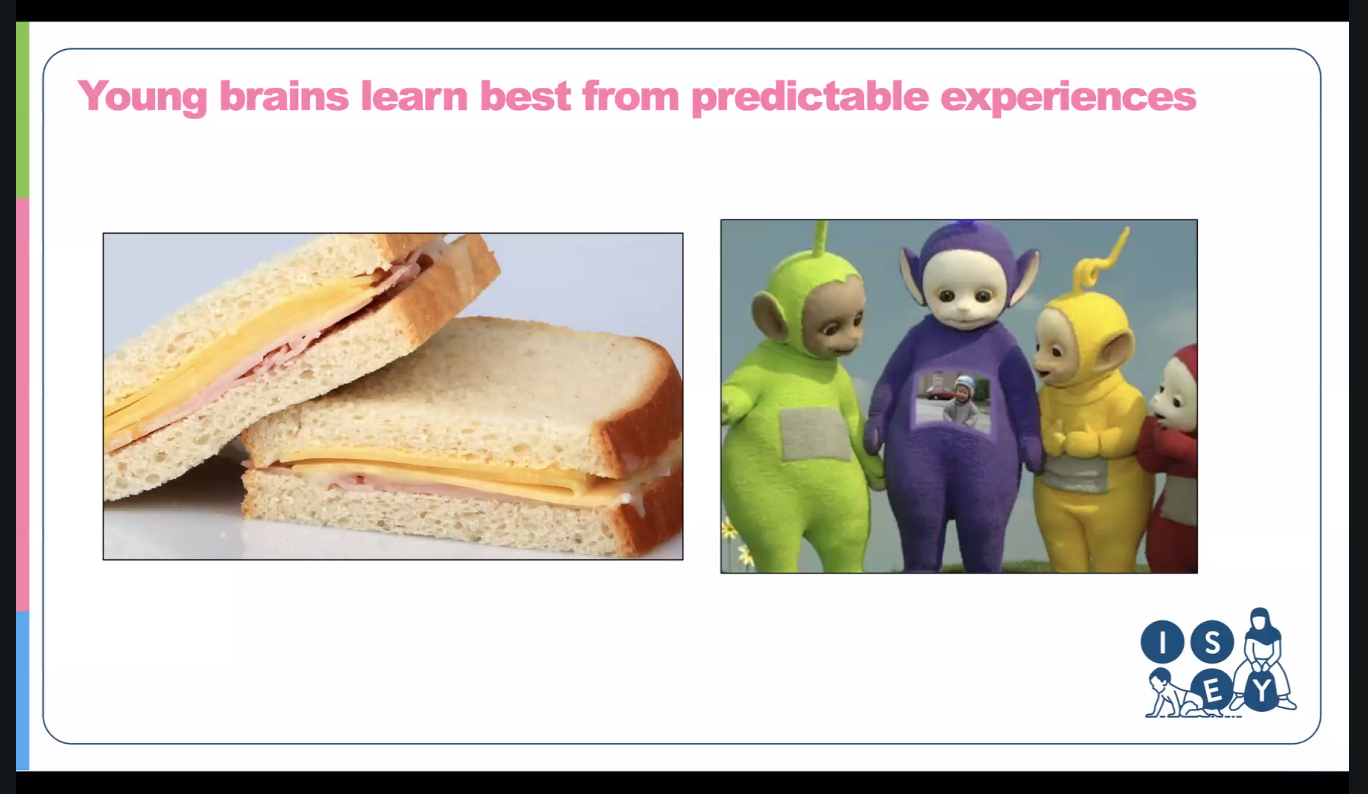 Screens are everywhere, and for families with young children they can feel both like a lifeline and a worry. The latest neuroscience indicates that young brains learn best from slow-paced, repetitive and predictable experiences. But screens often grab attention by being fast-paced and unpredictable. So how do we make sense of this, without adding yet another thing for parents to feel guilty about?
This was a key theme in Professor Sam Wass’s enlightening talk at the Learnus Annual Lecture. Drawing on his experience as a dad of three young children, as well as his role as a Developmental Cognitive Neuroscientist leading a team of researchers, he recognises how challenging it can be to resist the siren call of the screen.
It’s a contentious subject for families, and for everyone working with them. Screens can give parents a precious window to get things done, or simply to catch their breath. And most parents already feel under pressure to get things “right”.
But knowledge can be empowering. Here are three takeaways from Sam’s lecture that can help us understand more about how babies and young children learn.
1. Young children process information much more slowly
When watching something on screen, adults can process around ten frames per second. An 18-month-old can only process around one frame per second. What feels painfully slow, or even boring, to an adult is actually far more accessible for a young child. Teletubbies and In the Night Garden got the thumbs up. Slow, simple and calm really matters. Hopefully other children’s TV producers will pick up on this neuroscience and follow suit.
What this means in practice: slower-paced content, and slower-paced interactions, support learning far better than fast, flashy ones.
2. Repetition really is a good thing
In our Peep groups, parents often talk about their child wanting the same story, song or game again and again. For the adult, this can feel boring, or even worrying - why is their child not moving on? But as the lecture pointed out, repetition is a crucial part of how young children learn. Each time, they notice something new and build on what they already know.
What this means in practice: if your child wants the same book for the fiftieth time, they are not stuck. They are learning.
3. Predictability helps children feel safe and calm
Children learn best through highly predictable interactions. When their environment, whether on screen or in real life, is constantly changing and unpredictable, it can raise stress levels and put them on high alert. This can sometimes show up as big emotions after screen time. When either children or adults feel stressed, it can quickly become a cycle, with everyone feeling a bit more tetchy.
What this means in practice: predictable routines and familiar interactions help bring stress levels back down.
While modern life will always include lots of fast-moving and unpredictable moments, it’s worth protecting calmer, slower ones where we can. Simple routines at bedtime or nappy changing. Building up a bank of familiar songs. And yes, grinning through yet another reading of their current favourite book, and noticing how your child slowly begins to join in.
Sharing ideas and experiences with other parents can also help. The Learning Together Programme topic ‘Making the most of technology’ can be a good starting point for a discussion in a Peep group.
There’s no easy answer to this issue, but it’s not about guilt-tripping parents or banning screens. It’s about balance, understanding more about how young children learn, and giving ourselves permission to slow things down.
With thanks to Learnus and Professor Sam Wass. Any errors are ours - the lecture will be available to watch on the Learnus YouTube channel.