supporting parents and
children to learn together


Green
Blog: What does school readiness look like?
Body:
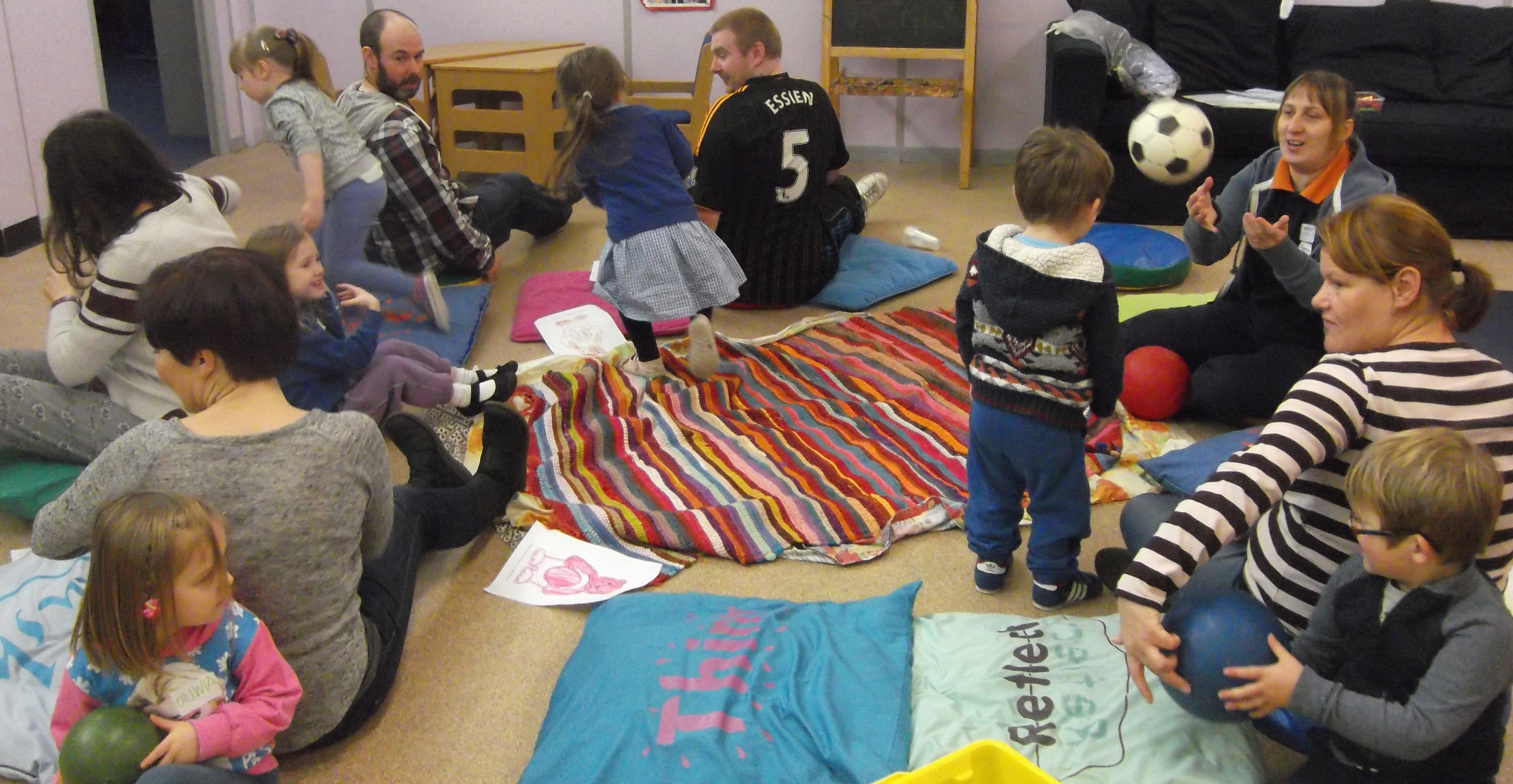 School readiness is always a hot topic at this time of year, but especially now as the early years Covid cohort starts to transition into primary school. Many of these children will have spent a large proportion of their childhood in lockdown, missing out on the opportunity to socialise with their peers and develop key skills. A recent survey conducted by YouGov suggested that half of all children are not ready to start school, and in some settings that has risen to 90%.
But what does being 'school ready' actually mean? A few years ago Ofsted (who inspect schools and children's services in England) released a list of skills that would be helpful for children to have before starting school - and parents may be surprised to learn that phonics, writing and maths are not on the list.
Here are some of the skills that are useful to practise with your child in everyday life:
I can sit still and listen
Schools don't expect children to sit still and listen for the whole day - that's hard even for grown ups - but developing listening skills is essential to communication, play, keeping safe and developing thinking and concentration skills. Model good listening with your child, chat with them and really listen to their responses. In order to become a good listener, children need to know what it feels like to be listened to.
I am aware of other children
Relationships with the people around us are so important and children learn a lot about appropriate behaviour and 'rules' which can help them get on with others. Children learn from everyone! Watch your child next time they play with others and talk to them about how they interact with their friends. Relationships are at the heart of leaning, whether it's in the playground or in the classroom.
I can talk in sentences and I can speak to an adult to ask for help
Talking helps children to develop their thinking and builds confidence - children get better at it when they have somebody who joins in, talks, listens and tries to understand. This confidence will seep into other areas: asking for help, communicating with friends and expanding language.
I am potty trained and can go to the toilet
Everyday activities encourage children to learn how to look after themselves. Routines such as using the toilet, wiping, flushing, pulling pants up and washing hands is a sequence which can be repeated again and again. This in turn grows independence, and will save you - and school staff - a lot of time in the bathroom. If there is a part of the sequence that a child is struggling with, such as remembering to flush, it's worth breaking the routine down and focusing efforts on helping them master that particular part.
I can recognise my own name
Names are a core part of our identity and using children's names in a positive way builds confidence and self esteem. Help children to recognise their own name by celebrating it! Make name placemats for dinner or write it in bubble writing and get them to decorate it - the added bonus is that having fun together with your child's name shows them that they are important.
I can open and enjoy a book
Have you ever had to read your child's favourite book over and over again? This familiarity with language, characters and pictures breeds confidence and encourages children to become 'readers' themselves. Knowing what happens next, joining in with the re-telling (made up or from memory, rather than reading the text themselves) and being able to name familiar things in pictures gives children a real sense of achievement. It's an important building block in learning to read and will spur them on to open, and enjoy, new books as well as old favourites.
I can understand the word 'No' and the borders it sets for behaviour, and I understand the word 'stop' and that such a phrase might be used to prevent danger
Children sometimes struggle to put into words what they are feeling, so their feelings come out in their behaviour. Support and encouragement is important, as is staying safe. Talk to your child about how words such as 'stop' may be used to keep them out of danger - explore songs and stories which will communicate this in a positive way.
I can take off my own coat and I can put on my own shoes
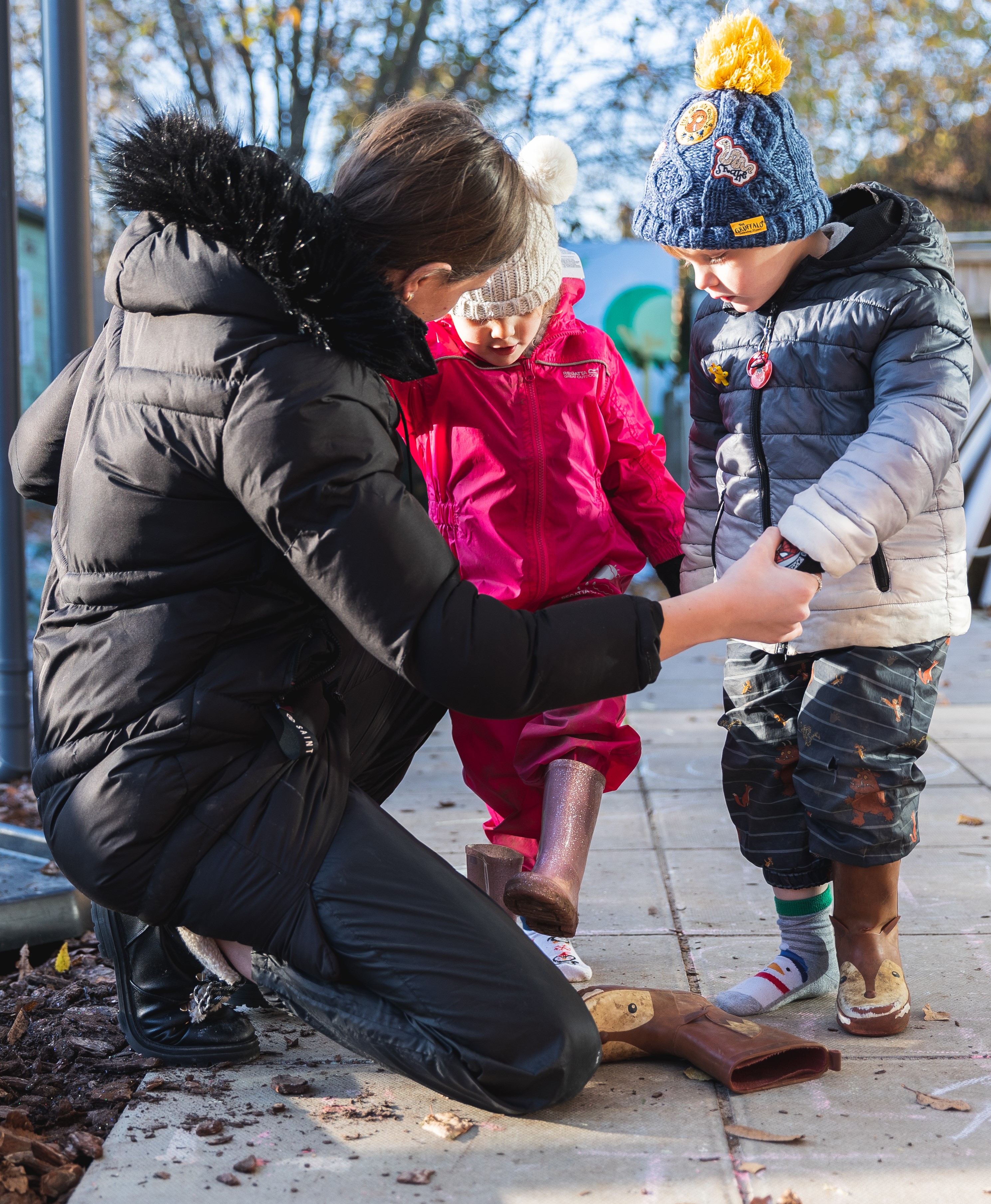
Life skills such as taking off a coat and putting on shoes are often the first big steps towards independence for young children. We do these everyday tasks without thinking but children need us to break it down into chunks for them to be able to grasp them. Time and patience are needed here, and maybe a little bit of fun too. Have you ever seen the coat flip? Look it up, it's genius!
Making these skills a part of daily life will help with the transition into school, and the familiarity of these tasks will underpin confidence at the start of the school journey. If your child isn't at this stage yet, do not worry - teaching and support staff will be there to encourage and help all children.
If you are a Peep practitioner then log into your Members area and search transition or school readiness - you will find Peep resources to support each of the skills listed above.
Feature box body:
Blog: What does school readiness look like?
Feature box colour:
Side Quote Color:
Blog: Supporting the Peep Progression Pathway - England
Body:
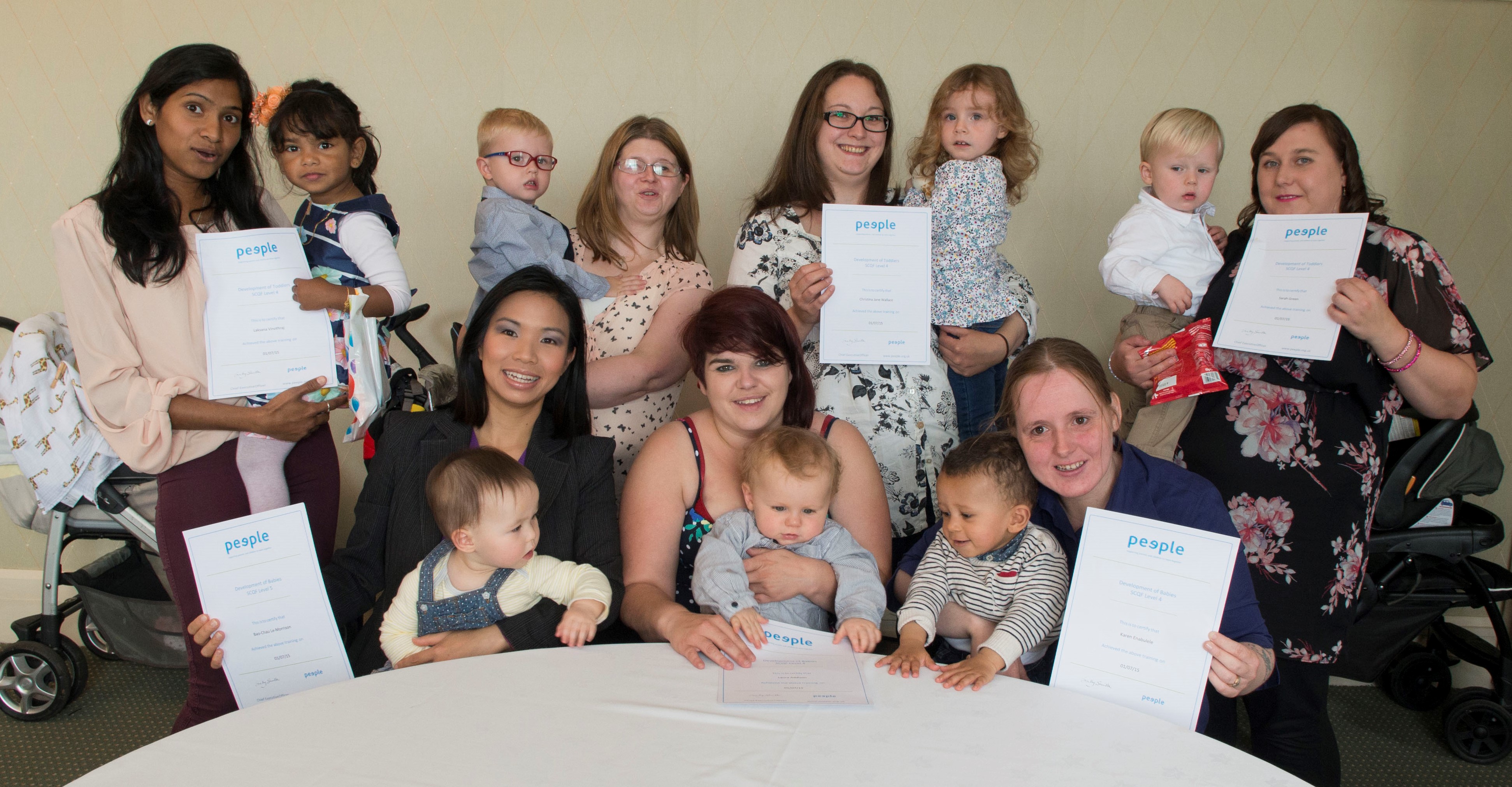
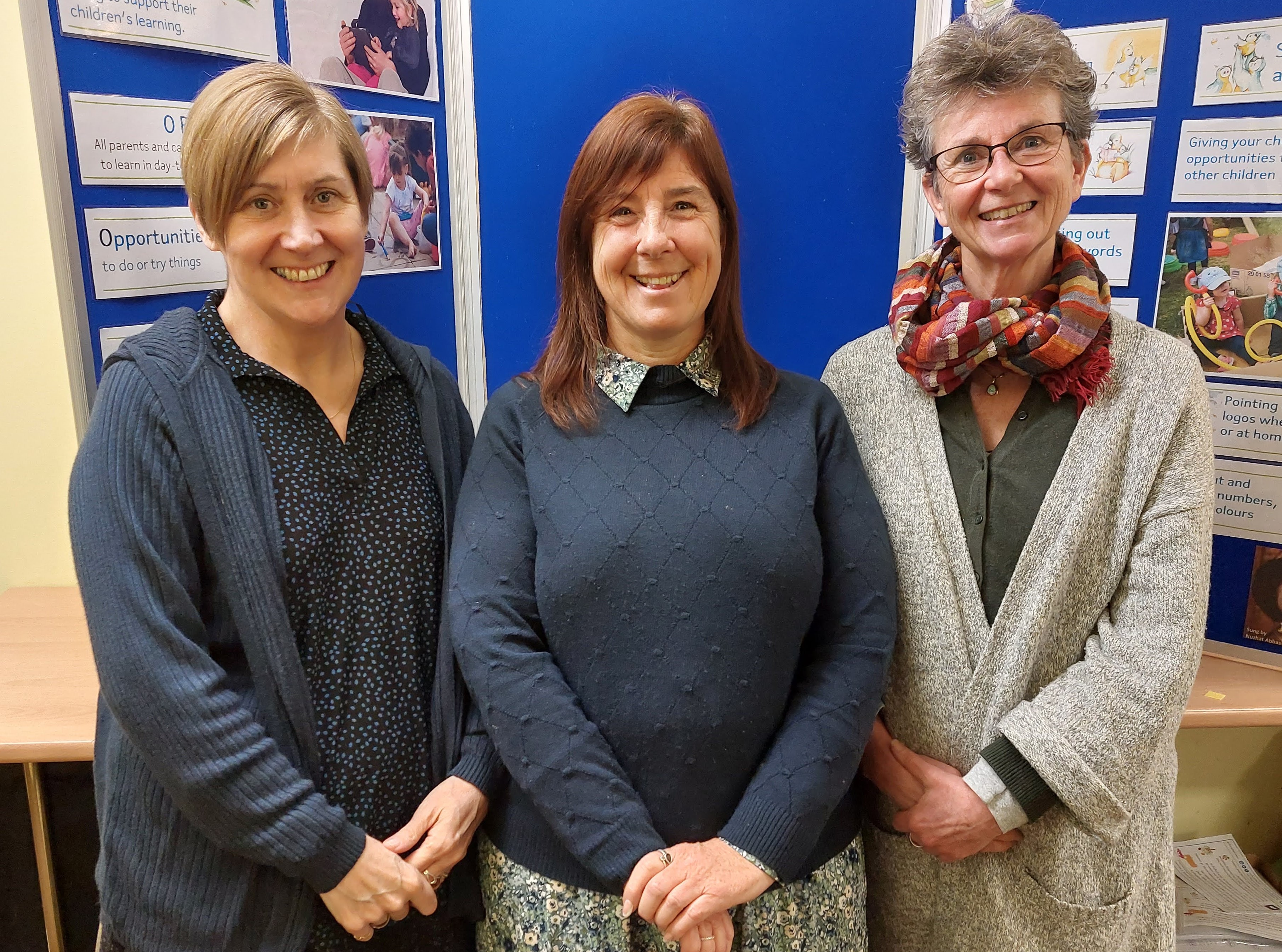 Hi, my name is Debbie Holmes, and I am Peeple’s Qualifications Manager, supporting the Peep Progression Pathway for parents (pictured between Peeple Training and Accreditation Manager Liz Ersoy and CEO Sally Smith)
My Peep journey began in 2010 when I became a Children’s Centre teacher in Leicester, and it has shaped and formed my practice ever since. I became a Peep practitioner delivering groups to parents, carers and their children from birth to 5 years in different schools, centres and shelters. I soon saw the power and magic behind the Peep Learning Together Programme in supporting parents to understand their child’s communication and development needs.
The simple yet key messages delivered in Peep sessions show parents that everything they do with their children from birth (and even before, through the Peep Antenatal Programme) supports brain development, language acquisition and secure attachments at a time when their children’s capacity to learn is optimal.
The power of Peep groups is the delivery of simple, high impact messages, highlighting children’s learning through observation, and sharing these observations with parents. Soon parents were able to spot learning in everyday situations for themselves, and from this point they could build up a picture of their child’s preferred learning styles, interests and strengths whilst also developing their child’s language and skills effortlessly.
Many of the parents attending Peep sessions made amazing memory books or learning journals to share with their children and record their joint learning journey. This led naturally into supporting parents back into their own education, as their Peep journals could be used in the parent accreditation that we offer through our Peep Progression Pathway - nationally recognised units which cover three qualification levels for parents and carers as learners, and which formally recognises the learning which is already occurring within a Peep session.
My job as practitioner was to guide parents on this journey. It is a very humbling experience, watching a parent and child grow and learn together. This passion continued with me when I returned to teaching in schools, where I introduced Peep groups to support the transition for parents and their children who were starting school. I wish I had known what I know now when my children were young!
When I saw the role with Peeple for Qualifications Manager I was so excited to be a part of its development and growth, and even more excited to be welcomed on board. Every parent wants the best for their child, but there is no manual attached at birth! Peep offers a supportive non-judgmental environment where parents can learn how to support their children and connect with peers who they often form lasting friendships with. Look out for groups near you in family hubs, libraries, schools and other community venues, and if there aren’t any, ask your Local Authority.
We are very proud of our updated Peep Progression Pathway, which supports parents to achieve qualifications at three levels - up to level 5 in Scotland and level 2 in the rest of the UK - a gateway into childcare and other related courses and jobs. Get in touch with me to find out more about how to continue your learning journey with Peep!
email: [email protected] | website: Peep Progression Pathway | Peep Progression Pathway Training for Practitioners
Feature box body:
Blog: Supporting the Peep Progression Pathway in England
Feature box colour:
Side Quote Color:
News: Narrowing the attainment gap - Peep Learning Together Study update
Body:
Improving children's outcomes...
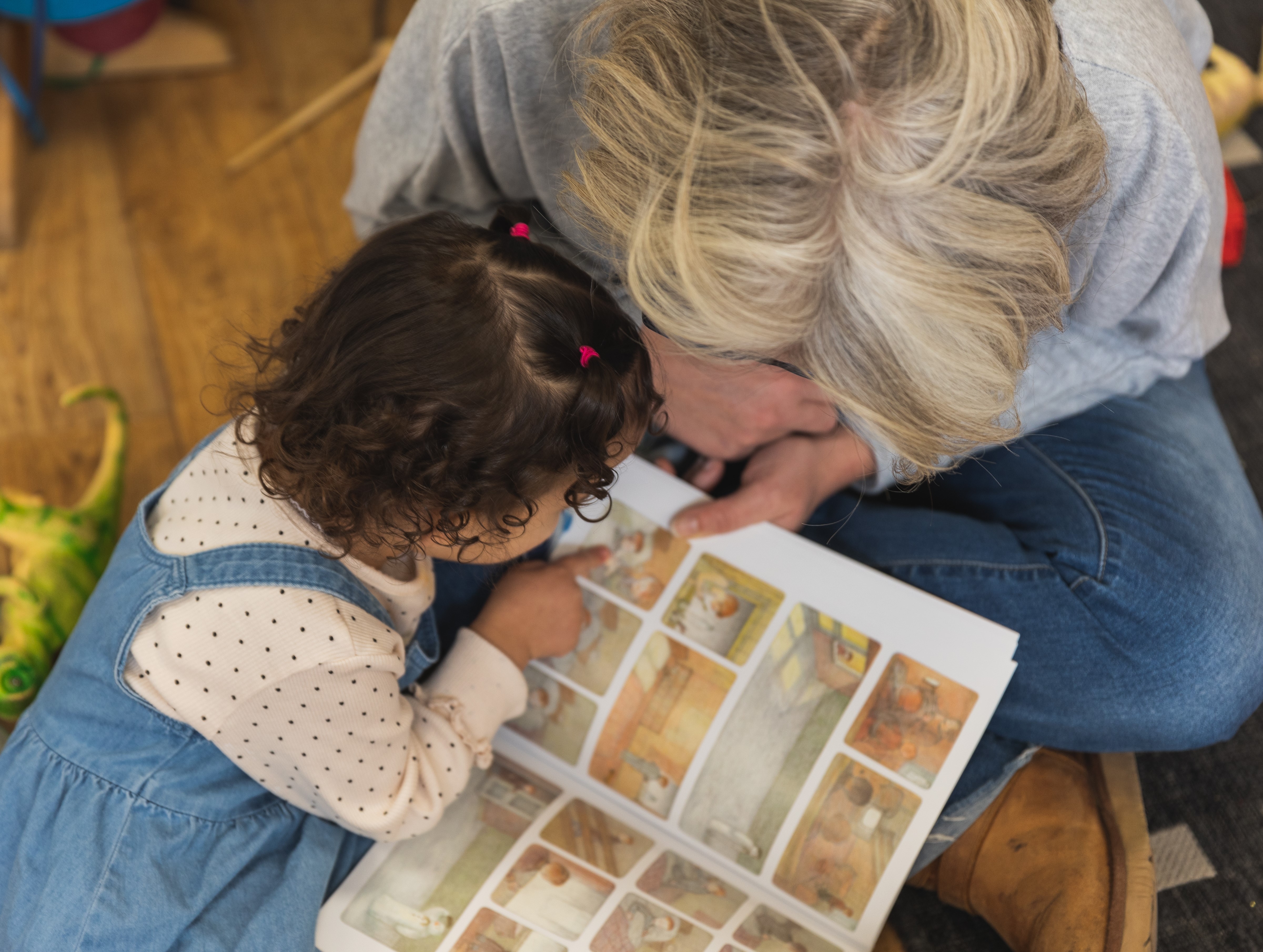
We already knew that overall the Learning Together Study found that the Peep Learning Together Programme made a positive difference of an additional two‑months progress over a five-month period to children’s early literacy development.
... and narrowing the attainment gap:
However, further analysis has shown that the Programme made the greatest difference to children eligible for Early Years Pupil Premium, who made an additional four months progress in core language skills and in communication, and three months additional progress in early literacy development.
The Learning Together Study was a Randomised Controlled Trial (RCT) of a 20-week version of the Peep Learning Together Programme for three-year olds. It was carried out by Queen’s University Belfast and funded by the Education Endowment Foundation, involving 1447 families from 139 nursery settings across England.
The Peep Learning Together Programme is based on evidence that the quality of learning opportunities within a child’s home environment increases their chances of doing well at school and beyond.
Feature box body:
News: Narrowing the attainment gap - Learning Together Study update
Feature box colour:
Side Quote Color:
Baby Peep course - suggested topics
Body:
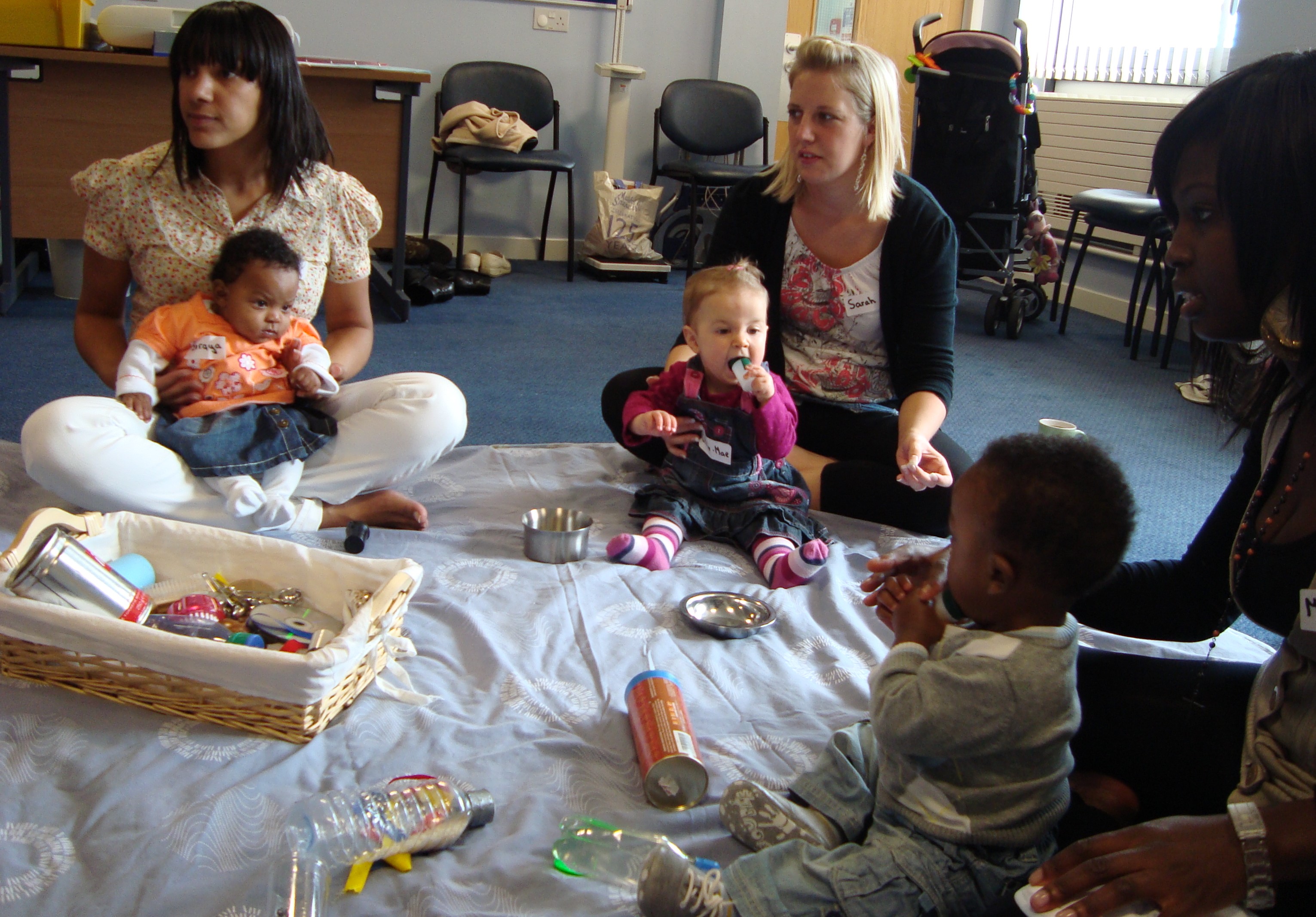
As always - you can choose which and how many LTP topics you include in your Peep sessions, and which order you deliver them in - but here are some ideas to get you started (with link to topic page). We'd recommend adding an introductory session or combining info from the introductory session plan, and possibly the ORIM topic, if your families are new to Peep.
A six-week course for 0 - 12 month old babies:
- PSED: Making the most of routines
- EL: Sharing books with babies
- EM: Maths in songs and rhymes
- CL: Finding a voice
- CL: The very first language
- HPD: Early sensory experiences
A six-week course for 0 - 6 month old babies:
Thanks to Kensington and Chelsea Family Hub, known there as Baby Zone Peep. (Suggested tips or TDAHs in brackets)
- PSED: Knowing me, knowing you
(Baby states photos & Peep Tips/ Taking time to pause… Peep tips) - PSED: The importance of names
(TDAH Making a name card or placemat) - PSED: Making the most of routines
(TDAH Routines and making a bed for a toy) - EL: Sharing books with babies
(TDAH Sharing books with baby, Tip: sharing books, cuddly etc) - CL: The very first language
(TDAH copying games, TDAH making sensory bottle, TDAH Faces in lids; Tips: learn about being loved/ Cuddling and holding…) - PSED Babies making choices: Treasure baskets
(TDAH posting box)
A six-week course for 6 - 12 month old babies:
Thanks to Kensington and Chelsea Family Hub, known there as Baby Zone Plus Peep
- PSED: Becoming me
- CL: Finding a voice
- EL: Sharing books with babies
- HPD: Babies on the move
- HPD: Early sensory experiences
- HPD: Food for life
Feature box colour:
Side Image:
Side Quote Color:
Early Help Peep: Nottingham
Body:
Thanks to Charlotte Haigh, Early Learning Specialist, and colleagues for sharing how they use Peep within their Early Help teams, Family Hubs and Children’s Centres in Nottingham.
 "In Nottingham City, we use the Peep Learning Together Programme (LTP) as a targeted intervention to support families within the city. We have established four Peep groups, each of which runs for 12 weeks:
- Watch Me Grow for families with a child 0-9 months
- Inbetweenies for families with a child 9-18 months
- Getting Ready for Nursery for families with children age 18 months – 2+ years
- Chatter Matters which focuses primarily on communication and language
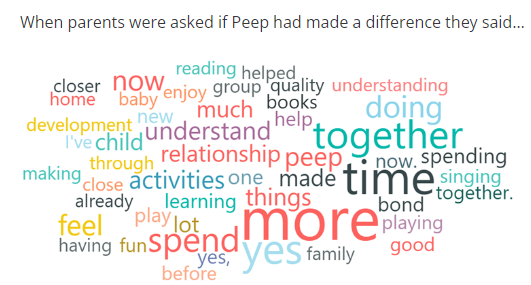
Parents complete an evaluation at the end of the course, but also give verbal feedback about things they’ve noticed or tried that week, at the start of each session. Here are some of the things that we’ve heard from families and practitioners:
Increasing parents’ confidence and awareness about supporting their children’s development:
Through attending one of our Peep Getting Ready for Nursery courses, parents have reported that they feel a lot more confident in telling stories and singing with their children. One Mum shared that she feels a lot more confident singing with her children at home since attending one of our Peep groups, and her partner has noticed that she sings a lot more with her youngest two children than she did with her eldest. This mum still feels too self-conscious to actively take part in singing during the session, but she and her children spend much more time together at home than in a weekly group, so singing with them at home is where the real difference is made.
Our feedback has also shown that parents are a lot more aware of the importance of mark making, and provide mark making activities more frequently within the home.
In our recent courses, 80% of parents showed an improvement in their confidence to support their child’s learning and development. 72% of families have increased the frequency of mark making activities, and of playing with letters and numbers at home. Over the past few months, 61 children have been tracked in either Communication & Language, Physical development or Personal social and emotional development. All 61 children have shown progress in their development over the 12 week course.
Noticing changes and thinking about next steps:
 At the start of the Peep course we encourage parents to complete an ‘I can…’ flower so they increase their awareness of what their child can do, and where they are in terms of their developmental milestones. Once these have been completed practitioners are able to plan activities and sessions to support both parents and children in reaching their milestones. Parents are also encouraged at the beginning of each session to feedback on how they found the previous session and how they got on with their ‘Things to do at home’ activity.
One parent has noticed that, since attending one of our Peep groups, her child has started to say words and to count, and has become increasingly confident in exploring the activities available. At the beginning of the course, this child was non-speaking, wasn’t interacting with other children or adults, and gave very little eye contact. He has started to respond during singing time and sometimes joins in with actions, and he is now also giving eye contact when practitioners interact with him.
Building relationships – families, practitioners and other professionals:
Parents have fed back that their children have built relationships with other children of a similar age. One mum, who shared that she suffers from anxiety, now looks forward to attending the group each week. Practitioners have worked with mum to help her rationalise her thoughts and prioritise tasks to allow her to feel less anxious. In doing so, mum is now more confident to bring her children to the group on her own.
Providing the Peep programme on a weekly basis for 12 weeks has enabled practitioners to build good relationships with both parents and children. Practitioners are able to address behaviours that a few parents in the group are experiencing. For example, in one of our Getting Ready for Nursery groups practitioners noticed there was a lot of copying behaviours and children were throwing toys/ resources. As a result, practitioners modelled to parents how to encourage desirable behaviour and communicate with their children to let them know what they want them to do instead. Practitioners have since commented that they feel the parents within the group have grown in confidence and support each other, as well as asking for help and advice when needed.
During our Watch Me Grow course we look at the topic ‘Food for life’. During this session we invite a health visitor along, to support parents with the latest public health advice on weaning and healthy food choices. Practitioners have found that by partnership working, particularly in the Watch Me Grow groups, parents are less anxious in terms of accessing services and have grown in confidence when it comes to making their own choices for their children.
Things we learned – reducing barriers for families:
- Peek into Peep: In Nottingham we run a ‘Peek into Peep’ session in areas where engagement is low or where we don’t receive many referrals. A Peek into Peep session gives parents the opportunity to meet the practitioners that will be delivering the programme beforehand and see what they can expect from a Peep session. This enables families to feel less anxious when they attend the full course, as they have already met the practitioners and know what to expect when they walk in. We have found this to be extremely beneficial for anxious parents. It also allows for partner agencies e.g. midwives, health visitors, social workers etc, to attend the session with their families to see if it is something they would benefit from.
- Tailor the group to the needs of the families: In Nottingham we have a rough plan of the 12 topics we are going to cover throughout the programme. However, once practitioners have gotten to know the families that attend, they are able to adapt the programme to suit the families. In some of our groups, rather than practitioners planning a child development topic for every week, we let the parents choose what they would like to cover the following week, by giving them opportunities to look at the topics in the Peep Learning Together folder.
- Having a session routine: This supports both parents and children to understand what to expect during the session, and the transition between all elements. We have found that the routine we use does vary between groups and we are happy to adjust and adapt dependent on the needs of the families.
- Having a waiting list and inviting a set number of families per course: this enables practitioners to really get to know the parents and children they are delivering to. This has allowed us to incorporate additional services into the course to support parents, depending on their needs, or to signpost them on to other local services.
Feature box colour:
Side Quote:
find out more or book training
tel 01865 397 970
[email protected]
> information briefing
> in-house training
> training courses
> sign up to our e-newsletter
Side Image:

Side Quote Color:
Information for learners - peep progression pathway
Body:
Thank you for your interest in participating in the Peep Progression Pathway as a parent or carer. Here you will find information to help you decide if it is for you (leaflet and Sway below), and then to get going (learner handbook, registration form and procedures). Your local Peep Practitioner will be your first point of contact, but do also feel free to contact us: [email protected].
> Peep Progression Pathway leaflet for parents and carers - PDF to download or Sway to read on screen
Feature box title:
Info for Pathway learners (non-login)Feature box colour:
Side Quote Color:
Information for organisations - delivering the Peep Progression Pathway
Body:
Peep Progression Pathway qualification units for parents can be delivered and assessed by Peep-trained practitioners as part of your usual Peep sessions. On this page you can find out how to become a Delivery Centre for offering the units to parents, including free information and delivery support sessions.
____________________________
Join a free Pathway Information session for practitioners and managers
Find out more about using the Peep Progression Pathway with families in your Peep sessions
- click here for forthcoming Info session dates
____________________________
Who can deliver the Pathway units?
You need to:
- attend Peep Learning Together Programme (LTP) Training
- attend Peep Progression Pathway Training
- be part of a local Delivery Centre (see below).
Full guidance and procedures are provided in the training.
The units are assessed entirely by portfolio. Through this portfolio the parents reflect on their own child’s development and their role as first educator. This enables them to recognise their existing skills and knowledge and build on these through the session content and its application in everyday life.
Peep Progression Pathway qualification units are awarded by SCQF and are credit rated by Qualifications Scotland (QS - previously known as SQA: Scottish Qualifications Authority), at 3 levels. They are recognised by Ofqual (the Office of Qualifications and Examinations Regulation in England) on the Regulated Qualifications Framework (RQF - which accredits qualifications in England, Wales and Northern Ireland).
Pathway units are being successfully delivered with learners in a variety of settings across the UK, including:
- in Peep groups or one-to-one in the home - indoors or outdoors
- through social work with foster carers, kinship carers and volunteers
- in community centres, libraries, early years settings, schools and health centres
How to become a Delivery Centre for the Peep Progression Pathway
Organisations or individuals wishing to deliver the Peep Progression Pathway will work with Peeple. They will become a Delivery Centre and a member of staff will take the Internal Quality Assurance (IQA) role. Peeple will support the organisation to source an IQA officer where this is not possible. The practitioner will usually act as the assessor too.
A delivery centre is an organisation, local authority or constituted group that has the capacity to deliver the Peep Progression Pathway, carry out Internal Quality Assurance (IQA) and liaise with Peeple on External Quality Assurance (EQA).
Every delivery centre must have:
- identified at least one suitable Internal Quality Assurance (IQA) Officer
- identified at least one suitable Assessor
- the capacity and administration processes to collect and safely store learner information
- signed service level agreement and data sharing agreement
- organisational policies and procedures in place that support effective responses to learner needs, complaints or appeals.
Costs payable to Peeple:
- Delivery Centre set-up fee (one-off cost per centre): £70 + vat
- Annual Delivery Centre fee (per centre - including access to database for Pathway learner records, website, support): £50 + vat
- Peep Progression Pathway Training - for each new Pathway practitioner/ assessor: £170 + vat pp
- Fee per learner (ie parent/ carer) including portfolio, quality assurance and QS certification: £10 per unit per learner
> For further details please see our Guide: How to become a Peep Progression Pathway Delivery Centre.
____________________________
IQA Training - for your Delivery Centre's Internal Quality Assurance Officer
Price included in Delivery Centre fees above. Log in to the Pathway Area to check dates and get your Teams link (or email us on [email protected])
________________________
The learner journey
Take a look at our flowchart, which shows the journey a learner may take on the Peep Progression Pathway.
If possible, it's good practice to encourage all parents to create a portfolio showing how they have reflected on Peep learning and put it into practice, even if they don’t want to submit it for formal recognition. Completed portfolios are like a ‘keepsake book’, and parents treasure them both as a reflection of their own learning and as a keepsake about their child. They may contribute evidence to show the impact of Peep sessions and can also be a useful resource for parents to share with professionals during development checks or transition meetings, for example.
The social practice model of learning offered by the Peep Progression Pathway supports parents to build ‘learner identity’. This makes further learning or vocational progression more likely, and has a range of other wellbeing benefits. There will be a number of progression options for learners to explore, including further studying, volunteering or seeking employment.
Find out more:
> Contact us at [email protected] to get started or with any questions.
> Peep Progression Pathway overview (including links to case studies)
Feature box body:
Peep Progression Pathway
- deliver qualification units for parents in your organisation
Feature box colour:
Side Quote:
Side Image:
Side Image 2:
Side Quote Color:
Peep Progression Pathway Training
Body:
Training aims:
Delegates will learn how to:
- deliver Peep Progression Pathway qualification units for parents/carers within your Peep sessions
- assess learner evidence and give constructive feedback
- use adult learning principles within your Peep delivery
- understand the SCQF processes and paperwork requirements.
Please note: Before attending training your organisation will need to go through the process of setting up as a Delivery Centre, if there isn't one in your area - find out more about becoming a delivery centre or attend our next Pathway Information session.
Who for:
Practitioners with relevant experience (early years, family learning, adult learning, social work, health and/or family support), who have completed our Peep Learning Together Programme Training. This course is also suited to volunteers, parents and student placements who support co-delivery of Peep groups.
> If you previously attended Pathway training but would like a refresher - you can either re-attend this course for free (email [email protected]), or attend the next free one-hour Delivery Support session - info on Pathway for Organisations page.
Feedback from delegates:
- "Brilliant, the training has left me with a really clear understanding of how the Pathway works, and the different levels that parents can do."
- "It was really helpful exploring the portfolio, becoming familiar with what they look like, and going through examples of answers. It was also good talking to others in breakout rooms to figure out what we might do."
How to book training:
> Check course dates then complete and return the Peep Progression Pathway Training Booking Form (or email [email protected] for Refresher)
> Contact [email protected] with any questions
> Or find out about arranging your own in-house training
Duration: 1-day (9.30 - 3.30pm)
Training price: £185 + vat pp, including online access to Peep Progression Pathway delivery and assessment resources.
Online platform: Microsoft Teams (let us know if you can only use another platform). Delegates should each have a laptop/ computer (or tablet) to use, at home or at work; if this is a problem please let us know in advance.
Please book and send delegate details at least 10 working days before the course.
Find out more about:
> Peep Progression Pathway parent qualification units
> How you could deliver the Peep Progression Pathway units in your area
Payment and Cancellation Terms and Conditions: Peep Learning Ltd, the trading arm of Peeple, will invoice you after receiving this booking form. Payment is due within 30 days of invoice date. Fees are only refundable if cancelled more than two weeks before the course. (Peep Learning Ltd Vat Registration no: 768 4173 94)
Contact us with any questions: [email protected]
Feature box body:
Peep Progression Pathway Training
to offer parent qualification units in your Peep groups
Feature box colour:
Side Quote:
find out more or book training
tel 01865 397 970
[email protected]
> dates & booking
> in-house training
> training courses
> sign up to our e-newsletter
Side Image:
Side Image 2:

Side Quote Color:
Image 2:
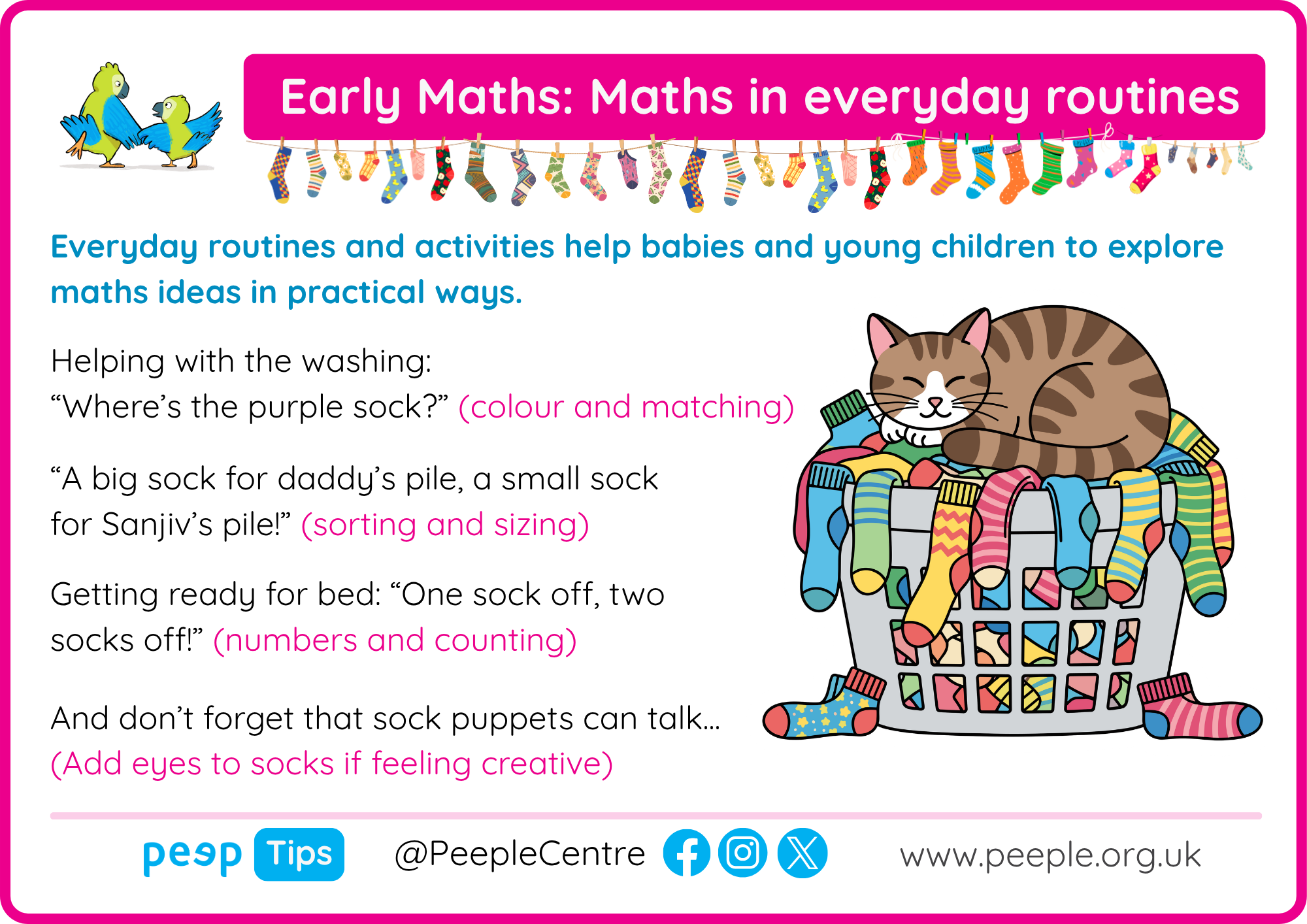
Maths in everyday routines
Body:
Everyday routines and activities are full of maths! They include lots of opportunities for your baby or child to explore numbers, counting, space, shapes, patterns, sorting and matching.
The conversations that you have with your child at these times are often rich in maths language – these will help your child to understand maths ideas as well as the words used to describe them.
Image:
Feature box colour:
Side Quote Color:
News: Bicycling for Dolly's Books
Body:
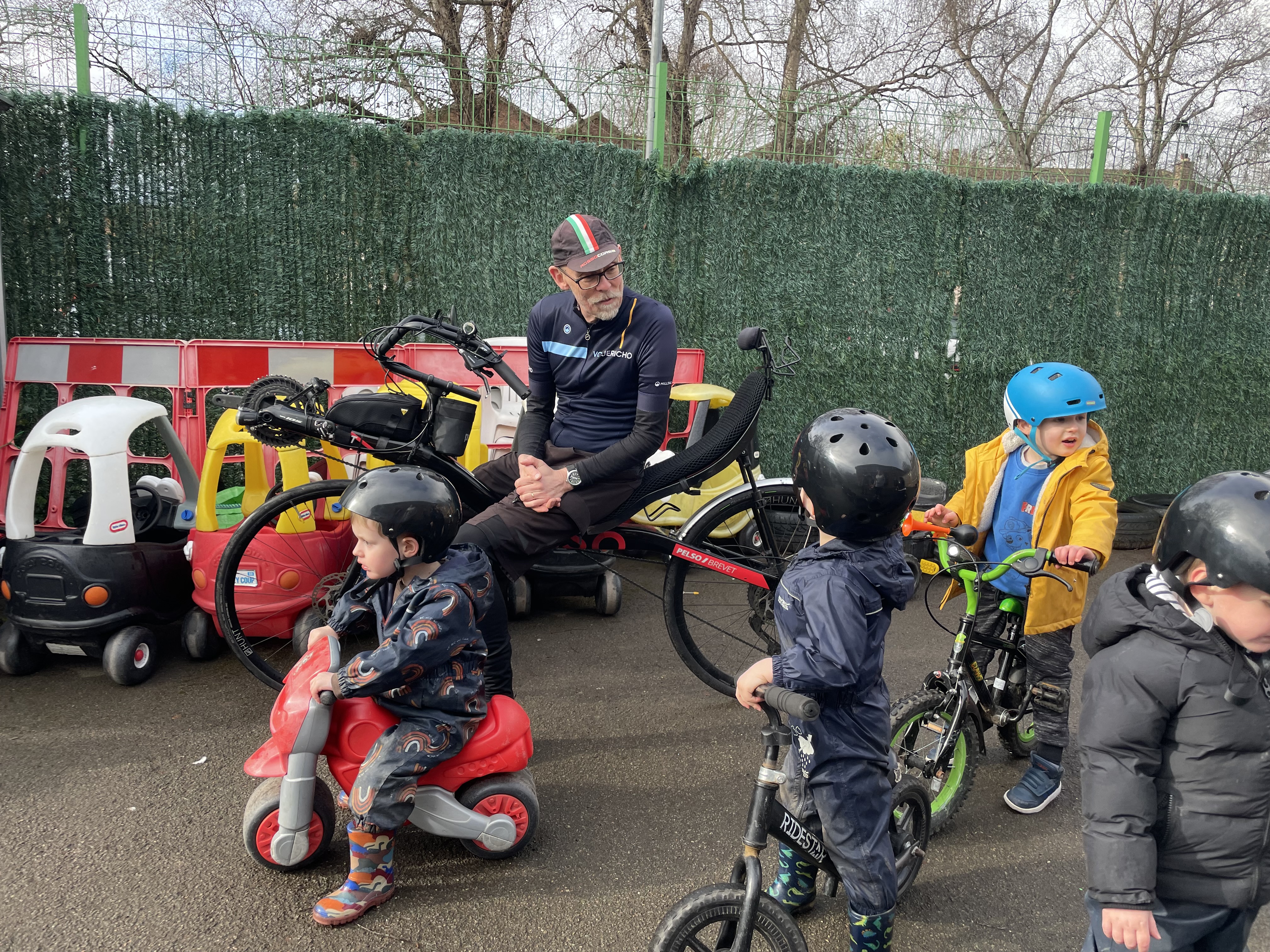
Rod's Bicycling for Books campaign to get books into the hands of children is complete!
 745 miles in 90 hours to raise funds for Oxford’s Peep Imagination Library - he did it!
We are delighted to announce that Rod completed his epic 1200km fund-raising bike ride from Paris – Brest – Paris within the allotted 90 hours raising over £6,000 in the process, including gift matching from Invesco! The oldest endurance race in the world, PBP attracts a worldwide line up of amateur cyclists who all want to push themselves mentally and physically. Dehydration, hallucinations, debilitating fatigue, injury and sleeping on the roadside next to strangers – all rites of passage of the PBP - we can see why Rod signed up!
Those who have been lucky enough to meet Rod will comment on his unflinching positivity, can-do attitude and bellowing, infectious laugh but we must applaud his mental strength the most. The physical toll of the qualification rides themselves would have been enough for most to be wishing for the back seat of a tandem, but Rod was quietly racking up the miles in his legs on his recumbent bike and powering through back problems and viruses.

Not only did he make it to the start line, he did so after contending with a broken saddle on arrival in France. Undeterred, he set off with 6431 international riders for the race of a lifetime. His twitter updates illustrated the mental and physical pain that he was going through, but he persevered and finished within the allotted time!
What was Rods motivation? “For some parents who perhaps have to choose between heating or eating, or are simply just finding it hard to spend enough time with their young children, books can provide that magical moment - a shared space with just you and your child - that can make all the difference. Some of my best memories from when my own kids were young have been the stories we shared at bedtime or in the car. Peeple are providing the books and the support to help create those moments, and to help fire children's imaginations.”
All the money raised by Rod’s efforts will fund books for the Peep Dolly Parton Imagination Library, which gives books to children in the Leys, Littlemore, Rosehill and Berinsfield areas of Oxfordshire.
Our favourite tweet from Rod during his cycle: “What am I doing? I've had approx 5 hrs sleep in the last four days. I'm sweaty and dirty and tired. My limbs are screaming at me to stop. The best decision would be to book in to a hotel, wash and sleep, but I'm not making good decisions.”
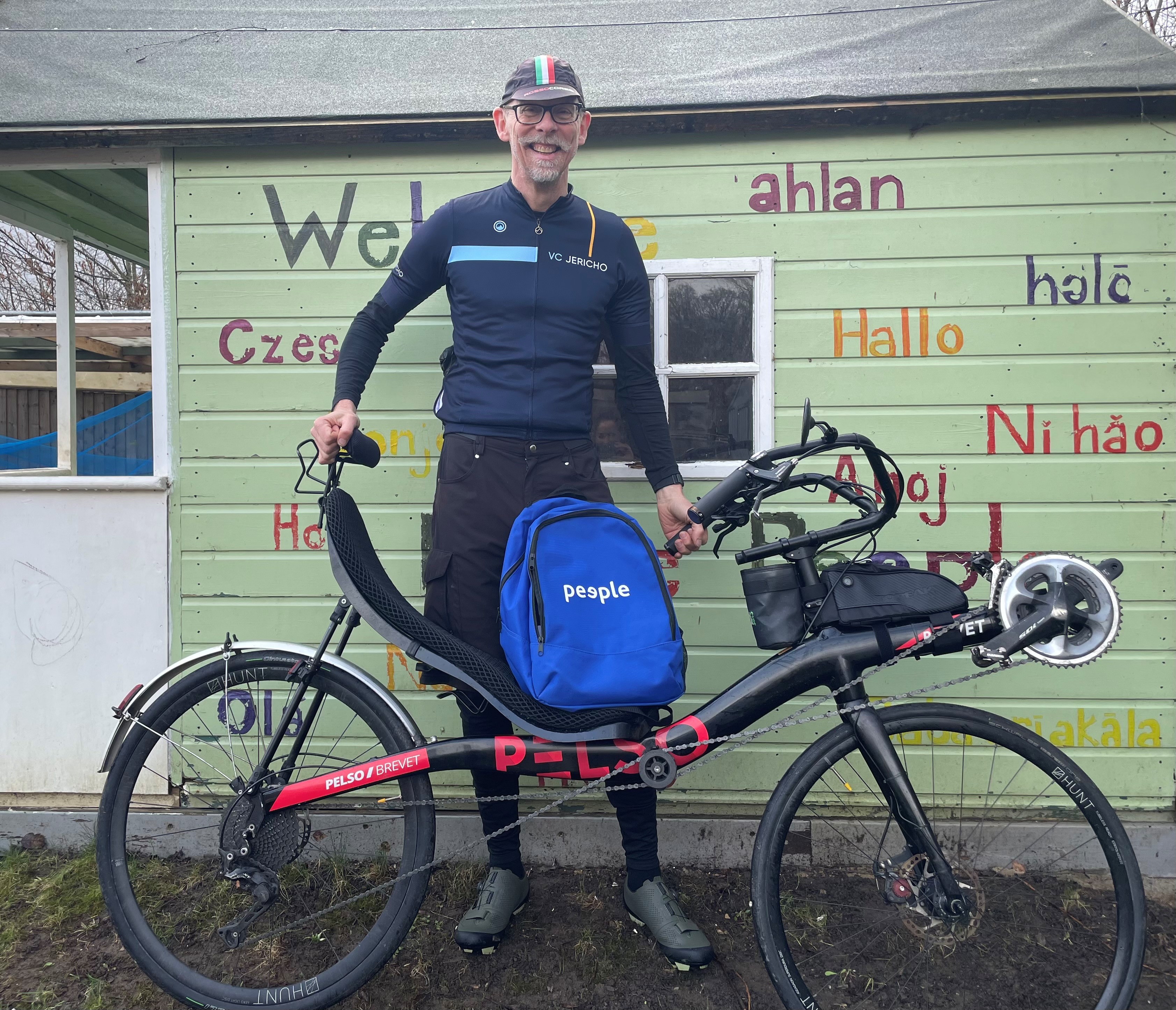
Rod, we are so grateful for your ‘bad’ decision. Thank you from us, and all the recipients of the Dolly’s Imagination Library books that you – and all your generous supporters and donors - have funded. We, and the Little Peeple Nursery peloton, can’t wait to welcome you back for a victory lap with us in Littlemore.
For further information or to talk about a fundraising idea, please contact [email protected].
Thank you to everybody who has donated to fund more books for more children via Peep’s Imagination Library. Please continue to spread the word to friends, family and colleagues.
Feature box title:
News: Bicycling for Dolly's booksFeature box colour:
Featured box image:

Side Quote:
> You can donate via text: Text B4B followed by your donation amount to 70085 (e.g. B4B10 for a £10 donation).
Having books at home makes a real difference to babies' and children’s love of stories and books. This gives them a flying start in learning to talk and read, and extends their language - children's vocabulary at age five is the biggest predictor of how well they do later in life.
> Read more about the Peep Dolly Parton Imagination Library, which has gifted over 50,000 books to children in Oxfordshire since 2014.
Side Image:

Side Image 2: