
supporting parents and
children to learn together


Grey
who we are
Body:
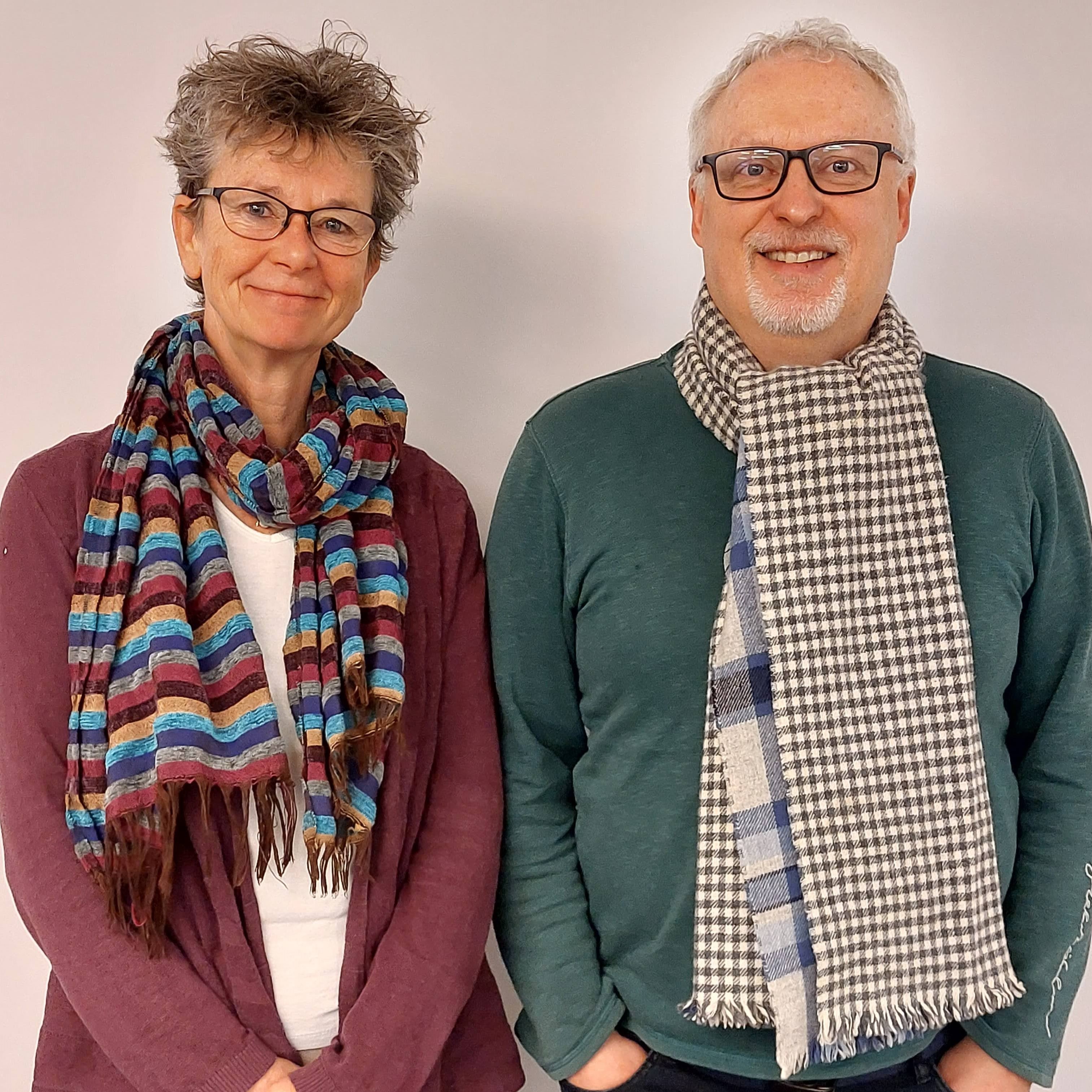
Our staff
Chief Executive Officer: Sally Smith
Sally leads the staff team, develops collaborative relationships with others working in our sector, and is responsible for the strategic direction and financial management of Peeple. She has been CEO since 2011 and has worked for the organisation since 2006. Sally has a background in research, including at the Department of Education at the University of Oxford. Her doctoral thesis was about the origins and uses of the ORIM framework (which underpins the Peep Learning Together Programme).
[email protected] t 01865 395145
Peep Training and Accreditation Team
National Training and Accreditation Manager: Liz Ersoy
Liz is responsible for the development, delivery, quality assurance and accreditation of Peep training and delivery support in the UK, Ireland and Australia. She worked within early learning, family support, staff training and management in Edinburgh for many years. Liz became Peeple's Training and Accreditation Manager in autumn 2021, after several years as a freelance Peep trainer, Peep Policy Officer then Family Learning Scotland manager.
[email protected] t 07483 119866
Development Manager (England): Diane Campkin
Diane is responsible for the development and delivery support of Peep Training in England. She has a long background in teaching in early years, as well as delivering training and support to other early years professionals. She joined Peeple as a freelance trainer before taking up her current role in June 2022.
[email protected] t 07442 500693
Development Manager (Scotland): Vivianne McWhinnie
Vivianne is responsible for the development and delivery support of Peep Training in Scotland. Vivianne’s background is in Early Years, where she found her love for Peep. She has delivered a variety of groups for many years, as well as training and supporting other Early Years professionals. She began working for Peeple in April 2024.
[email protected] t 07934587973
Lead Trainer/ Implementation Support Manager: Debbie Rudman
Debbie is responsible for developing and delivering training and implementation support based on all Peep Programmes, contributing to new programme materials, developing and piloting new courses, and inducting and supporting Peeple trainers. Before this she spent many years as a Peep practitioner in groups and Stay and Plays.
[email protected] t 07774 329292
Qualifications Manager: Debbie Holmes
Debbie leads on the Peep Progression Pathway qualification units for parents, and the Peep Learning Together Programme accreditation for practitioners. She became a passionate advocate for Peep after delivering the Peep programme and parent accreditation to families whilst working as an Early Years teacher in both inner-city schools and children's centres.
[email protected] t 07578 285002
Trainers and Training Administrators
We have a network of trainers based around the UK and Ireland who work for Peeple on a sessional basis. They are experienced in working with families, and the use of Peep programmes. Several of our trainers also co-ordinate delivery of the Programme within their local authority area, and deliver the training locally within a Peep Training and Support Agreement.
Our training administrators are central to the smooth organisation of Peep training and of both parent and practitioner accreditation.
[email protected] t 01865 397970
Communications and Development Teams
Communications Manager: Charlotte Holmes and Communications Officer: Keira Garrigan
Charlotte and Keira are responsible for communications which support the delivery of Peep programmes, including the Peeple website, newsletters and social media, and for marketing Peep training.
Charlotte has worked in various roles at Peeple over the past twenty years, and has a background in psychology, literacy and education.
[email protected]
Keira joined Peeple in 2022, bringing her experience of content creation, digital marketing, writing and sharing her passion for getting children outdoors connecting with nature.
[email protected]
[email protected] t 01865 397976
Project Manager - Exploring Together (STEM): Katy Baker
Katy leads on the development of our new Exploring Together (STEM) Programme (Science, Technology, Engineering and Maths) and previously on several other Peep projects including Early Steps Together and the Peep Learning Together Programme. She has a background in community learning and development, early years education, and adult and family learning.
[email protected] t 07825 775459
Funding and Operational Team
Finance Manager: Charlotte Oates
[email protected] or [email protected] t 01865 397978
HR Manager: Chloe Roberson
Chloe leads on HR across Peeple, helping to simplify policies and processes, tackle organisational challenges, and make sure staff feel valued and well supported in their roles. She is particularly interested in social mobility and equal opportunity, and volunteers as a children’s reader in her spare time.
[email protected]
Policy and Fundraising Lead: Chloe Lidbetter
Chloe leads on building funding partnerships and analysing policy, so we can maximise our impact and ensure families' needs are met locally and nationally. Before working for Peeple, Chloe worked as a researcher into gendered inequality for Magdalen College Oxford, and supported undergraduate students across Oxford and Buckinghamshire for charity UCCF.
[email protected] t 01865 592567
Peep Delivery and Early Education and Childcare in Oxfordshire
Local Delivery Manager: Camille Kalaja
Camille is responsible for our work with families in the Leys and Rose Hill areas of Oxford.
[email protected] t 01865 397971 or m 07515 410278
Early Education and Childcare Manager (Oxfordshire): Lindsey Hart
Lindsey manages our Little Peeple Nursery in Littlemore, Oxford, and previously managed the Red Kite Children’s Centre in Thame on our behalf. She is an experienced NNEB and has set up and managed day nurseries at the local school and FE college, where she also lectured in Childcare and Education.
[email protected] t 01865 397972
Educational consultant: Helen Stroudley
Helen is the educational consultant on behalf of Peeple for CBeebies' The Baby Club and The Toddler Club, and Moonbug's Little Baby Bum. She previously delivered Peep programmes and training, and managed local Peep delivery, and has previous experience as a nursery nurse (NNEB).
[email protected]
Administrators and Practitioners
At the Peeple Centre, we have a team of experienced administrators and Peep practitioners who work with local families and settings in and around Oxford, including in our Little Peeple Nursery.
[email protected] t 01865 395145
> Our trustees
> Our programme and website contributors
Feature box title:
staff and trusteesFeature box colour:
Featured box image:
Side Quote:
find out more or book training
tel 01865 397 970
[email protected]
> programmes
> training courses
> dates & booking
> sign up to our e-newsletter
Side Quote Color:
- Read more about who we are
- Log in or register to post comments
EYFS in little peeple nursery
Body:
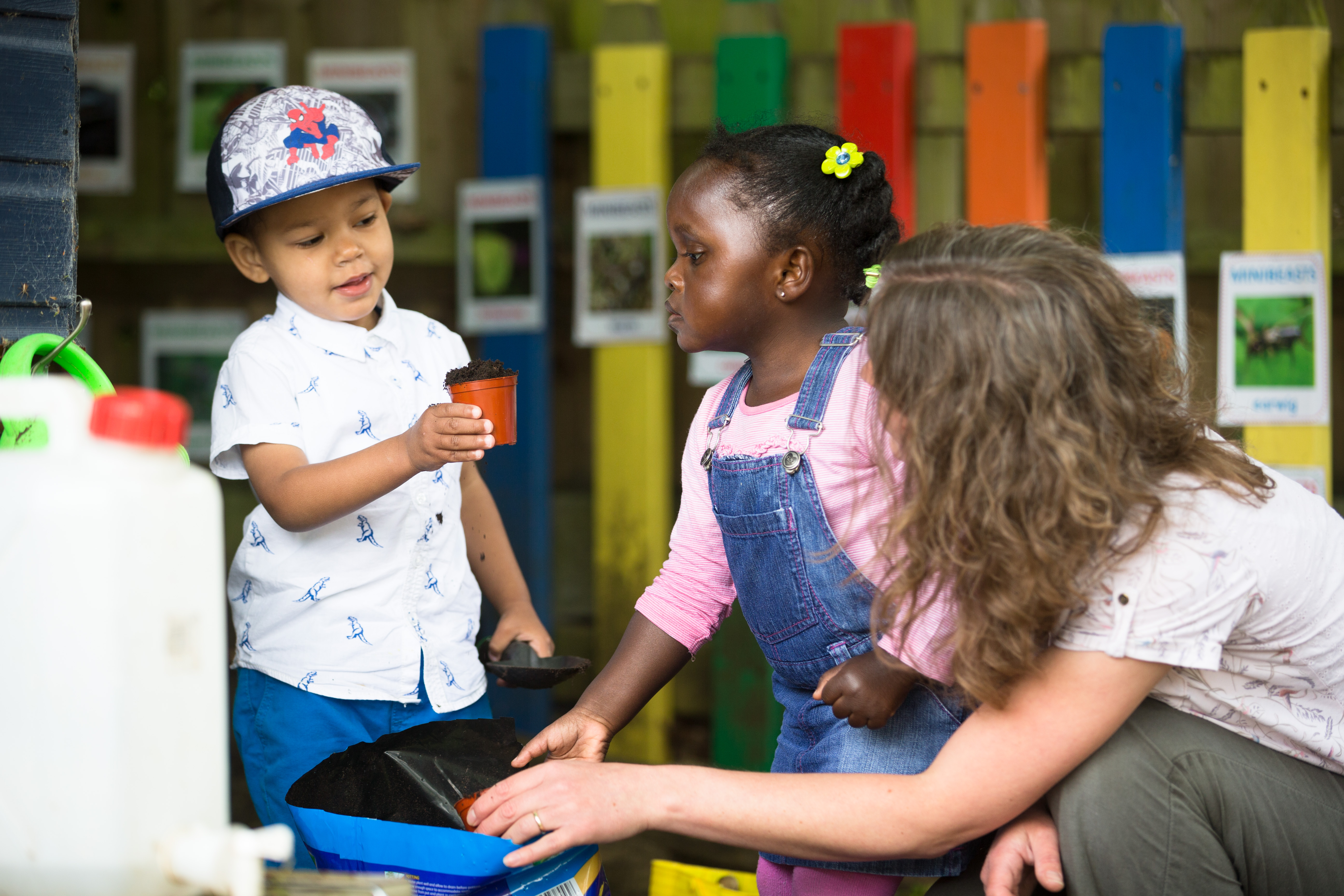
Little Peeple Nursery follows the Early Years Foundation Stage (EYFS) principles and guidance. The EYFS was produced by the government and early years professionals, to be used by all childcare or early education providers, including nurseries, pre-schools and child-minders.
There are seven areas of learning and development in the Early Years Foundation Stage. Every area of development is equally important. The three prime areas are personal, social and emotional development, communication and language, and physical development. There are four specific areas in which the prime skills are applied: literacy, maths, expressive arts and design, and understanding the world. Stages of development are more important than ages.
Click on any of the links below to read more about how we put the EYFS principles into practice:
Feature box title:
little peeple nurseryFeature box colour:
Featured box image:
Side Quote:
contact us
Contact us with any questions, to arrange a visit or to book a place at Little Peeple Nursery
Email:
[email protected]
Address (for sat nav):
Little Peeple Nursery
The Oxford Academy
Northfield Close entrance
Littlemore, Oxford
OX4 4NH
Tel: 01865 397972
Side Quote Color:
child-minding project
Body:
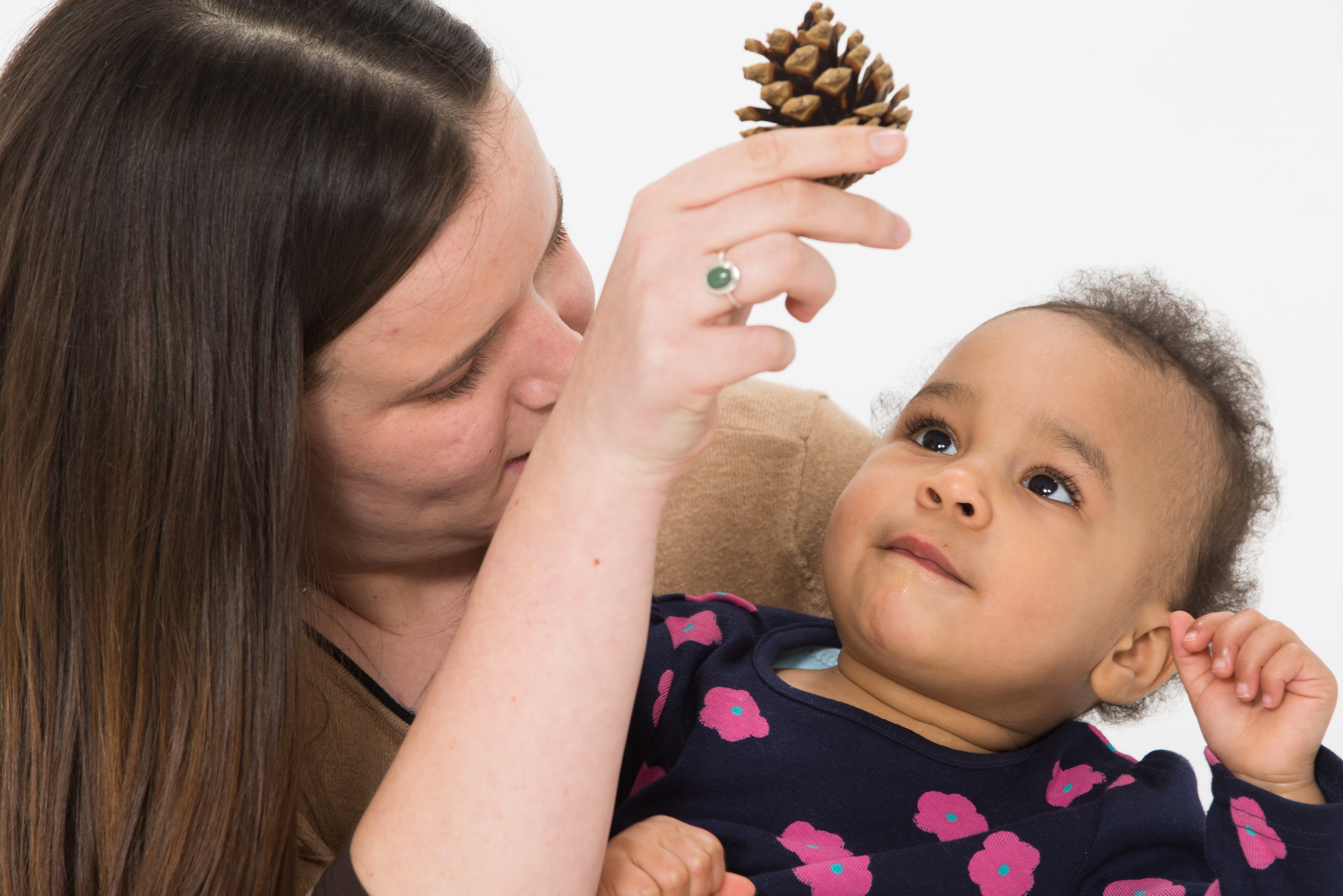
We are working with Action for Children on a two-year project working with child-minders in Oxfordshire and around the country.
The aim of the project is to improve outcomes for children, through training and supporting child-minders:
- to use the Peep Learning Together programme in their work directly with children and
- to share elements of the programme with parents.
The project is being funded by the Department of Education.
Image:
Feature box title:
work with child-mindersFeature box colour:
Featured box image:
Side Quote:
commissioning peep services
Contact us for more information or a quote:
Tel 01865 395145
[email protected] or [email protected]
> Sign up to our e-newsletter
Side Quote Color:
- Read more about child-minding project
- Log in or register to post comments
time to play project
Body:
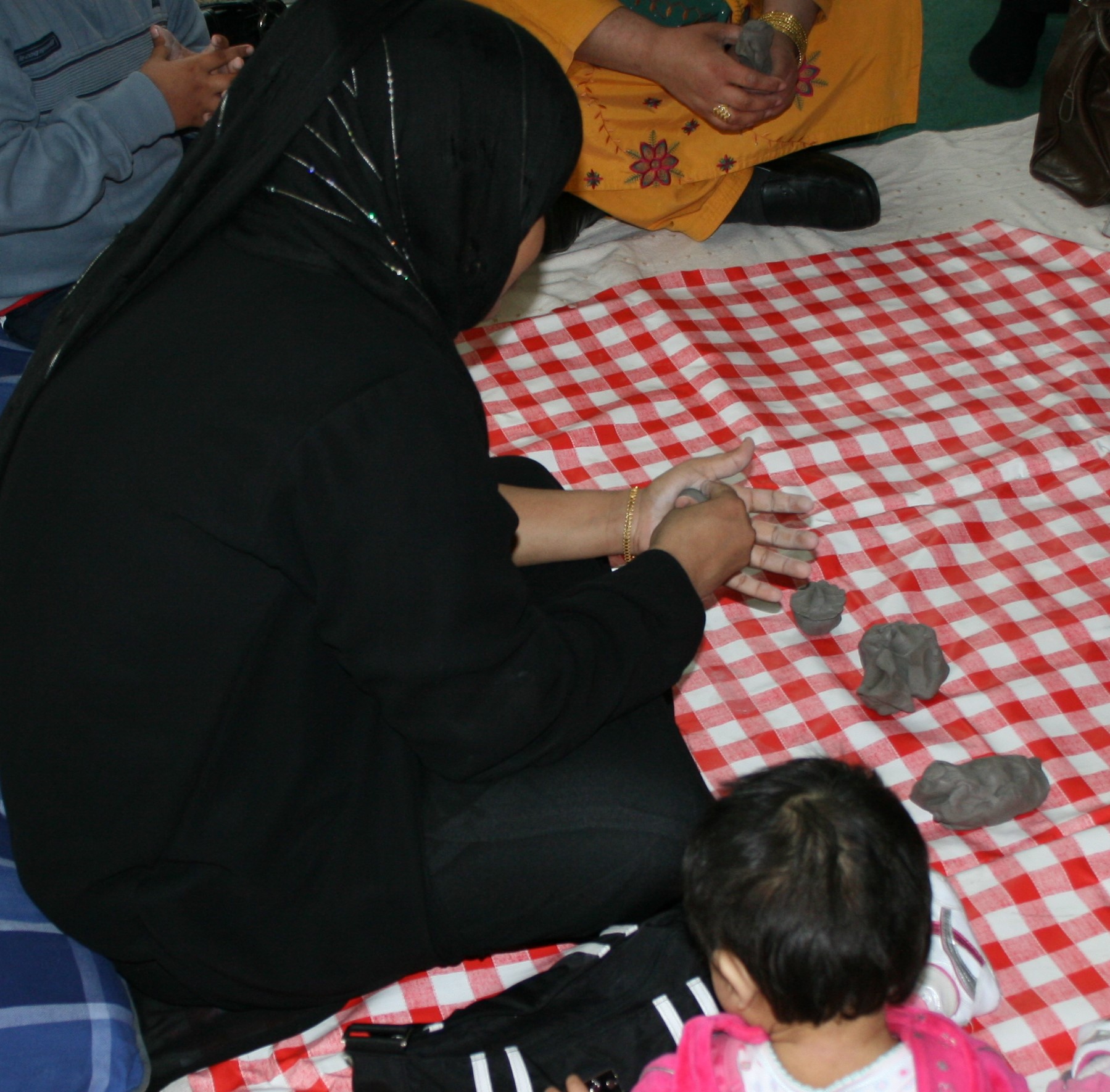
The aim of the Time to Play project was to improve the integration of young children of ethnic minority (particularly Muslim) families, into the services offered by Children’s Centres. The project developed culturally appropriate approaches for mother and child sessions, based on creative play as a foundation for learning. These approaches fostered communication, self-esteem, language and creativity, and built on successful practice evolved through Peep. Through participatory action research, the project arrived at recommendations for intercultural practice and materials that respect the mothers’ values and parenting styles, and support their children’s development in line with the Early Years Foundation Stage.
The Time to Play project was participatory in its approach. It involved parents in the design of what ‘works’ for them, as being culturally relevant and in tune with their aspirations, and in recognition of what they already do at home. It extended the Peep group provision by focusing on creative play for early learning within ethnic minority communities. These groups were based in Children’s Centres in Oxford, Bristol, Southampton and Birmingham, with a high proportion of Muslim families and different ethnic backgrounds in each city. The project ran in three progressive phases: Consultation/information gathering; Development and delivery of approaches; Dissemination/sharing of what we learned. The work in this project also led to the production of a CD: Singing Together in Urdu and Punjabi.
Implications for future practice and ways of working, along with practical approaches and ideas, emerged during the project. You can read more about them in the:
> summary of the Time to Play action research project
> paper presented at the MERYC conference (Music Educators and Researchers of Young Children) by Dr Susan Young and Alison Street.
Time to Play was managed from the Peeple Centre in Oxford, and the approaches were researched in partnership with Dr Susan Young from the University of Exeter, who has extensive experience of similar projects.
Feature box title:
time to play studyFeature box colour:
Featured box image:

Side Image:
Side Quote Color:
early explorers child health clinic study
Body:
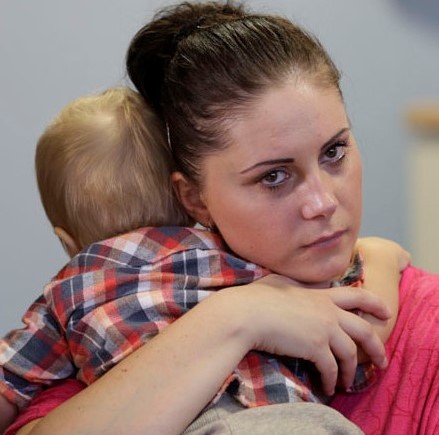
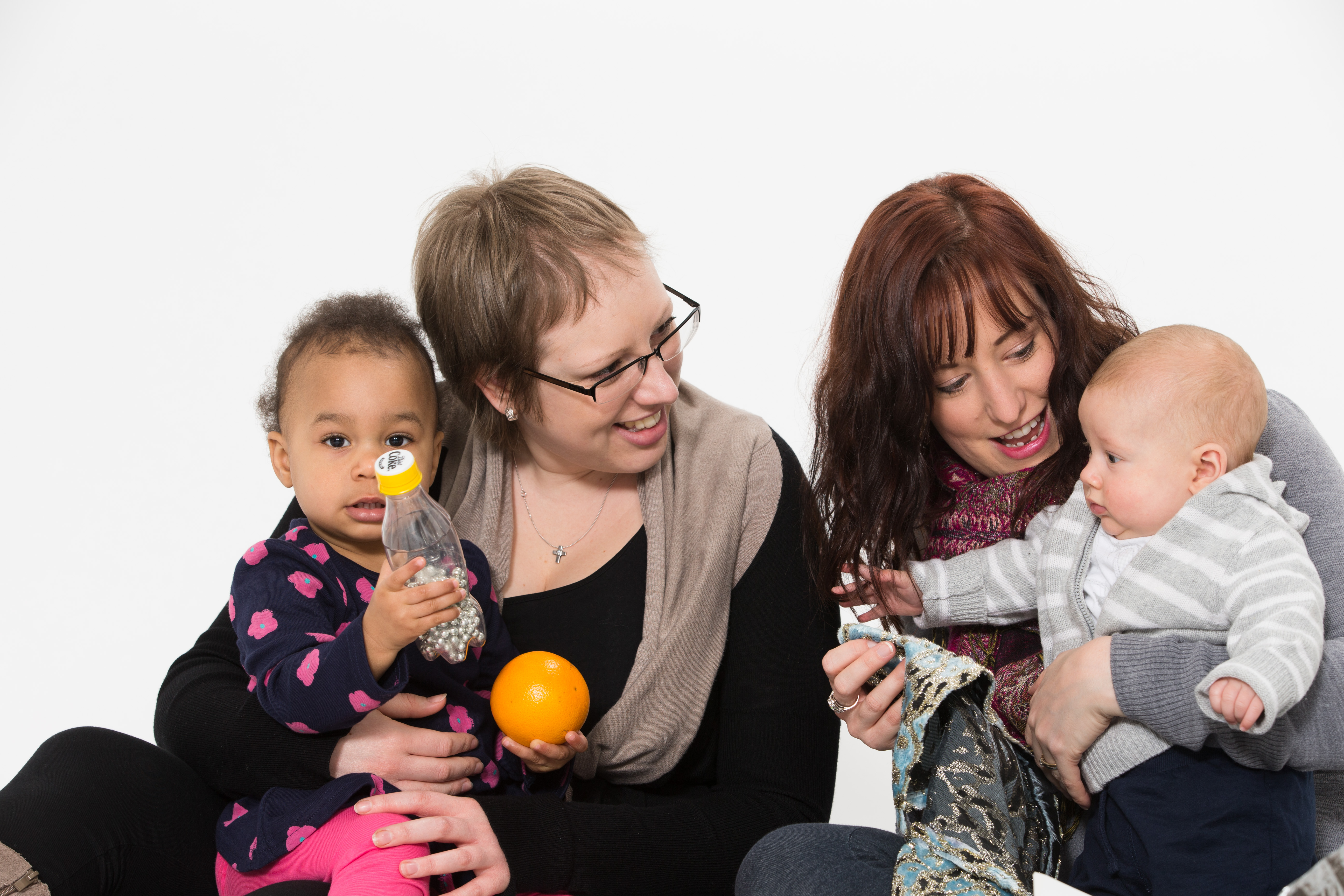
Child health clinics are the key place that practically every parent takes their baby or toddler to *, even parents who don't use any other services. They can ask the health visitor or community nursery nurse any questions, and get reassurance about their baby's weight. The clinics are therefore an ideal place for Peep practitioners to get to know a wide range of families, while they wait. The practitioners chat and share child development ideas and activities with them, providing a rug and toys for their baby to play with, and can invite them to attend a Peep Early Explorers group.
Professor Jane Barlow and Chris Coe at the University of Warwick carried out a two-year evaluation into this joint work: ‘Early Explorers: Integrating partner professionals to support parents with their children’s development from birth’ (2011) .
key findings
The study reported that this process of joint working provided a positive way of:
- promoting positive infant mental health and development
- working together to reach those most in need – identifying and supporting vulnerable groups
- over-coming barriers and building relationships, trust and confidence
- improving and extending the service offered to families, by working with a family support practitioner from another organisation.
In this study, the Peep practitioners worked for the charity Peeple, but since then Peep-trained practitioners working in child health clinics have worked for children's/ family centres or family hubs etc, and health practitioners such as community nursery nurses also use Peep within their clinic sessions.
There were also positive outcomes in engaging families who access services infrequently, in supporting their children’s development.
- The Early Explorers clinics promote maternal mental health - supporting parents that they may support their infants.
- The child health clinic offers a unique opportunity to meet and forge relationships with parents in a non-stigmatising, non-threatening environment, in a place where they already go.
- The opportunities for social engagement created by an Early Explorers clinic offer an important opportunity to increase parental confidence and reduce social isolation.
- Parents reported spending more time in the clinic when the practitioners are there, learning new skills and having a better appreciation of infant development.
- Families can be sign-posted on to Peep and other local services.
You can download the research summary and an article published in Community Practitioner about the project and the benefits and challenges of partnership working.
"And I just thought, I’m going to go in there and everybody will judge you because all your baby did was cry… just going to say ‘well, have you fed her, have you done her nappy, have you done this…?’. And that’s what you used to get from people walking round the shops. But it didn’t bother nobody. And I thought Oh my god [laughs]! I’m in a place where nobody’s staring - because all she does is cry.... Because I didn’t know what to expect at first.…
But then when we went to the first class they had duvets down and things, with treasure baskets. And when they actually start singing the children are just… it’s amazing sort of thing to them. Their little faces [laughs].... she loved it!
She cried a lot for the first five months and then when we seemed to go to Peep she came out of her shell a lot more. She was more calm. More willing to be more patient in doing things. And she used to have trouble socialising, because I don’t know many people with children her age… but she was gone.… It was always calm and they always got parents talking to each other. Because when I first went I thought Oh nobody will want to talk to me because… but no, they sit down and they introduce you and everything. And when we have the group discussion it was more that you feel like you’ve known people for a long time… we talked about the textures and things and how they help children learn and everything like that. It’s… I don’t know how to word it really.… you feel more confident when you know you’re not the only one going through what you’ve been through sort of thing." (Parent L)
Peep-trained practitioners from any professional background can use the Learning Together programme with families in any context or setting. Follow the links for more information about our Learning Together Programme and Training.
* In May 2022, the Parent Infant Foundation and @first1001days campaign published a report 'Why health visitors matter', which makes a compelling case for the government to reverse the decline in public health funding - since 2015 there has been an estimated 30% decline in the number of health visitors, with significant negative consequences for babies and their families.
Feature box body:
(University of Warwick)
Feature box title:
early explorers child health clinic studyFeature box colour:
Featured box image:
Side Image:
Side Quote Color:
foundation peep study
Body:
This study followed 150 three- and four-year-olds, half of whom were participating in the Peep Learning Together programme, over a two-year period. The study showed that the Peep children benefited in learning and self-esteem.
These children made greater progress than others in:
- vocabulary
- language comprehension
- understanding about books and print
- number concepts.
The children’s self-esteem was also higher, and they felt more confident in what they could do both physically and mentally.
The study was carried out by Dr Maria Evangelou and Professor Kathy Sylva at the University of Oxford (2004). You can download a research summary (26 pages) paper from the journal of Early Childhood Research & Practice.
Follow the links for more information about our Learning Together Programme and Training. The programme is also used in foundation stage, daycare and school settings, often as Transition Peep for a few sessions for the family before the child starts, or while the child is attending the setting.
Feature box title:
foundation peep studyFeature box colour:
Side Quote:
‘This study demonstrates the value of an explicit curriculum, intensive staff training and a collaborative approach to work with parents.’
(Evangelou and Sylva, 2003, p80)
Side Image:

Side Quote Color:
research & policy
Featured Row 1:
peep evidence base 
learning together study
The home learning environment - how it helps children's development
birth to school study & tracer study
Feature box title:
research & policyFeatured box image:
Feature box body:
underpinning peep programmes and early intervention
Feature box colour:
Featured row 4:
early years and parenting research
peep antenatal programme study
policy links and peep
early explorers child health clinic study
Peep Research
Feature box body:
research that underpins our evidence-based programmes