supporting parents and
children to learn together


Green
What we do
Body:
Peeple is an independent charity, dedicated to helping practitioners, parents and carers support their children’s development and narrow the attainment gap, by making the most of everyday learning and play opportunities at home and in the community.
Created with families and practitioners across the UK, this two-minute film captures the heart of Peeple’s work - the everyday interactions within and between families that make a lasting difference to learning, relationships and wellbeing:
Huge thanks to Media Trust, Tiny Studios, The Mercers' Company and to all the families and partners who contributed!
Our work involves:
- developing flexible, evidence-based programmes which support parents as their children’s first educators
- training and supporting practitioners to use Peep programmes in their work with families
- helping parents to gain qualifications which can lead to further education or employment
- delivering services directly to families near the Peeple Centre
- contributing to research and policy development in early years education and family support.
Training practitioners
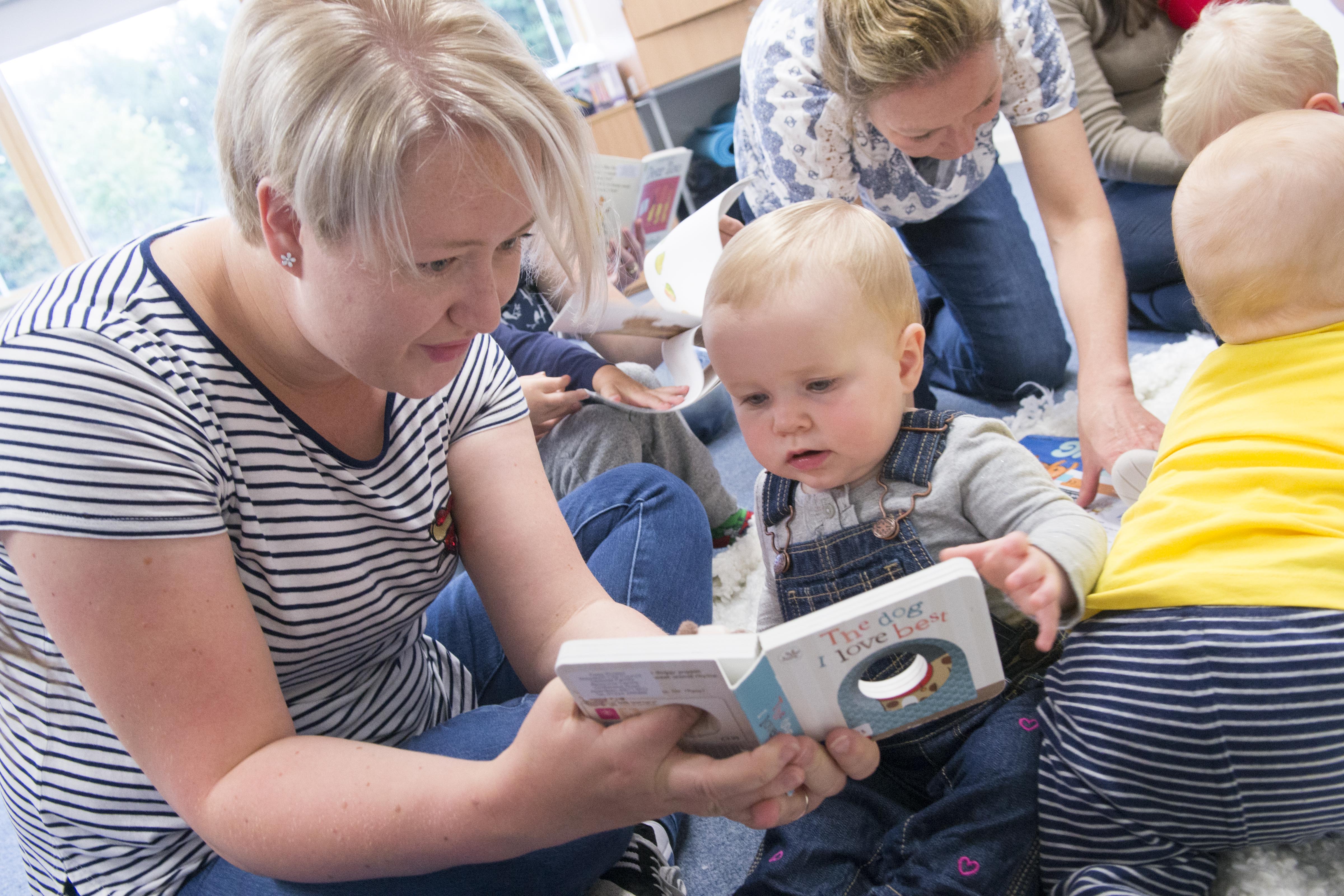
We train and support over a thousand practitioners every year, around the UK, Ireland, Australia and beyond. Our programmes - Peep Learning Together, Peep Antenatal and Peep TALK - are used by early years and family support professionals with families. They help parents create the best start for their children by listening, talking, playing, singing and sharing books and stories together. Research shows that this - known as the home learning environment - makes the biggest contribution to narrowing the gap in children's outcomes. Practitioners come from a range of backgrounds including family work, education and childcare, and health.
Programme delivery with families
We are also a delivery organisation based in Oxford, where we work directly with local families. Some of this work is commissioned by our partners in the area, and some is funded to develop innovative ways of supporting parents and children to learn together. In 2018 we opened our Little Peeple Nursery, next to the Peeple Centre in south-east Oxford.
Development and collaborative projects
Our current projects include Families Learning Together, collaborating with professionals and families across 11 local authorities in Scotland; developing the Peep Exploring Together Programme and Training, exploring the foundations of STEM; and developing and delivering Growing Minds with local partners HomeStart Oxford and The Berin Centre.
Find out more:
> Evidence base: The Peep Learning Together Study RCT found that Peep made a positive difference to all children but it made the greatest difference to those from the most disadvantaged backgrounds.
> Case studies: how Peep programmes are delivered in many different places and contexts
Feature box body:
What we do
Find out how our charity supports families to learn together
Feature box colour:
Side Quote:
find out more or book training
tel 01865 397 970
[email protected]
> programmes
> training courses
> dates & booking
> sign up to our e-newsletter
Side Image:
Side Quote Color:
- Read more about What we do
- Log in or register to post comments
EYFS in little peeple nursery
Body:
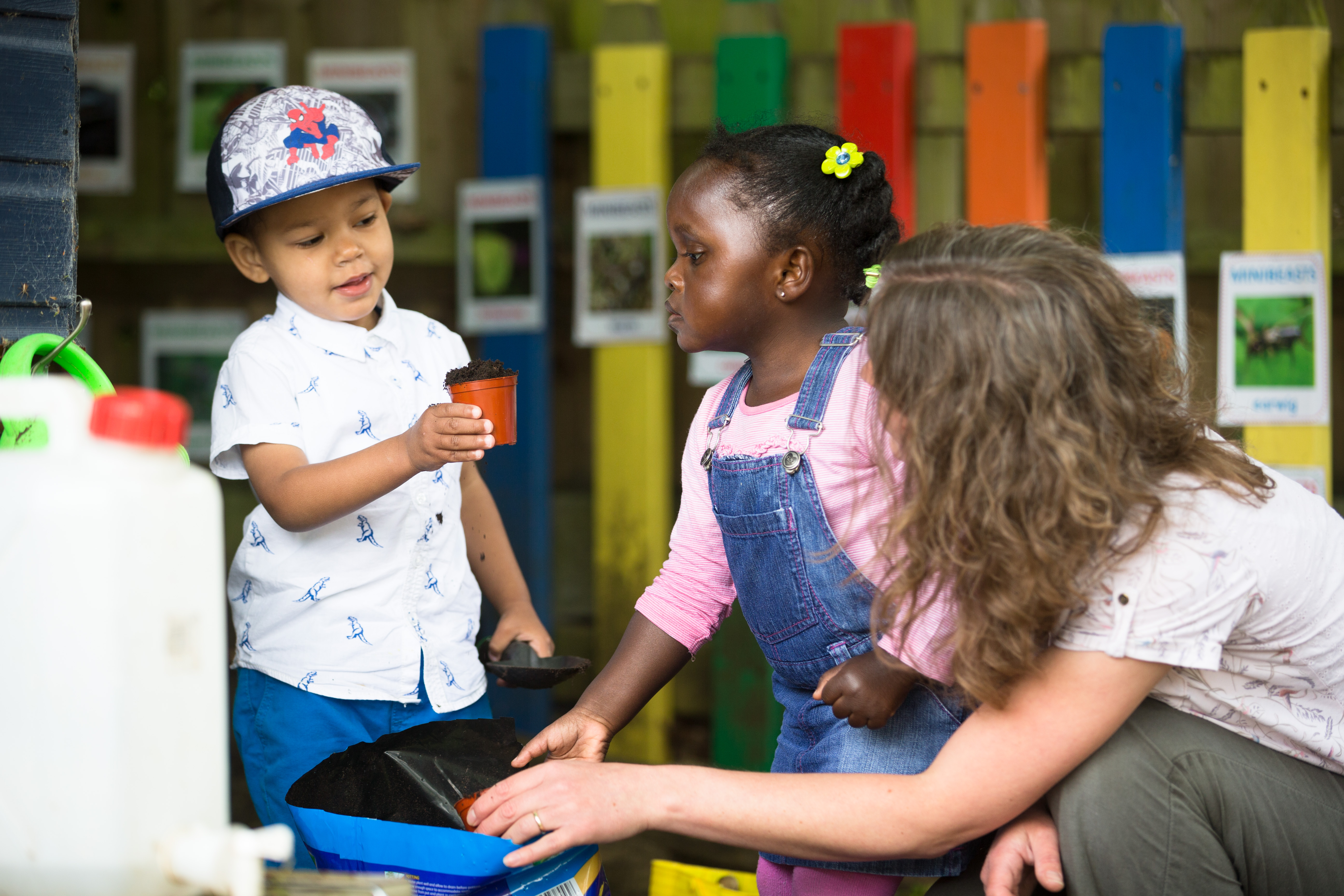
Little Peeple Nursery follows the Early Years Foundation Stage (EYFS) principles and guidance. The EYFS was produced by the government and early years professionals, to be used by all childcare or early education providers, including nurseries, pre-schools and child-minders.
There are seven areas of learning and development in the Early Years Foundation Stage. Every area of development is equally important. The three prime areas are personal, social and emotional development, communication and language, and physical development. There are four specific areas in which the prime skills are applied: literacy, maths, expressive arts and design, and understanding the world. Stages of development are more important than ages.
Click on any of the links below to read more about how we put the EYFS principles into practice:
Feature box title:
little peeple nurseryFeature box colour:
Featured box image:
Side Quote:
contact us
Contact us with any questions, to arrange a visit or to book a place at Little Peeple Nursery
Email:
[email protected]
Address (for sat nav):
Little Peeple Nursery
The Oxford Academy
Northfield Close entrance
Littlemore, Oxford
OX4 4NH
Tel: 01865 397972
Side Quote Color:
Peep Antenatal Programme: Getting to know your baby
Body:
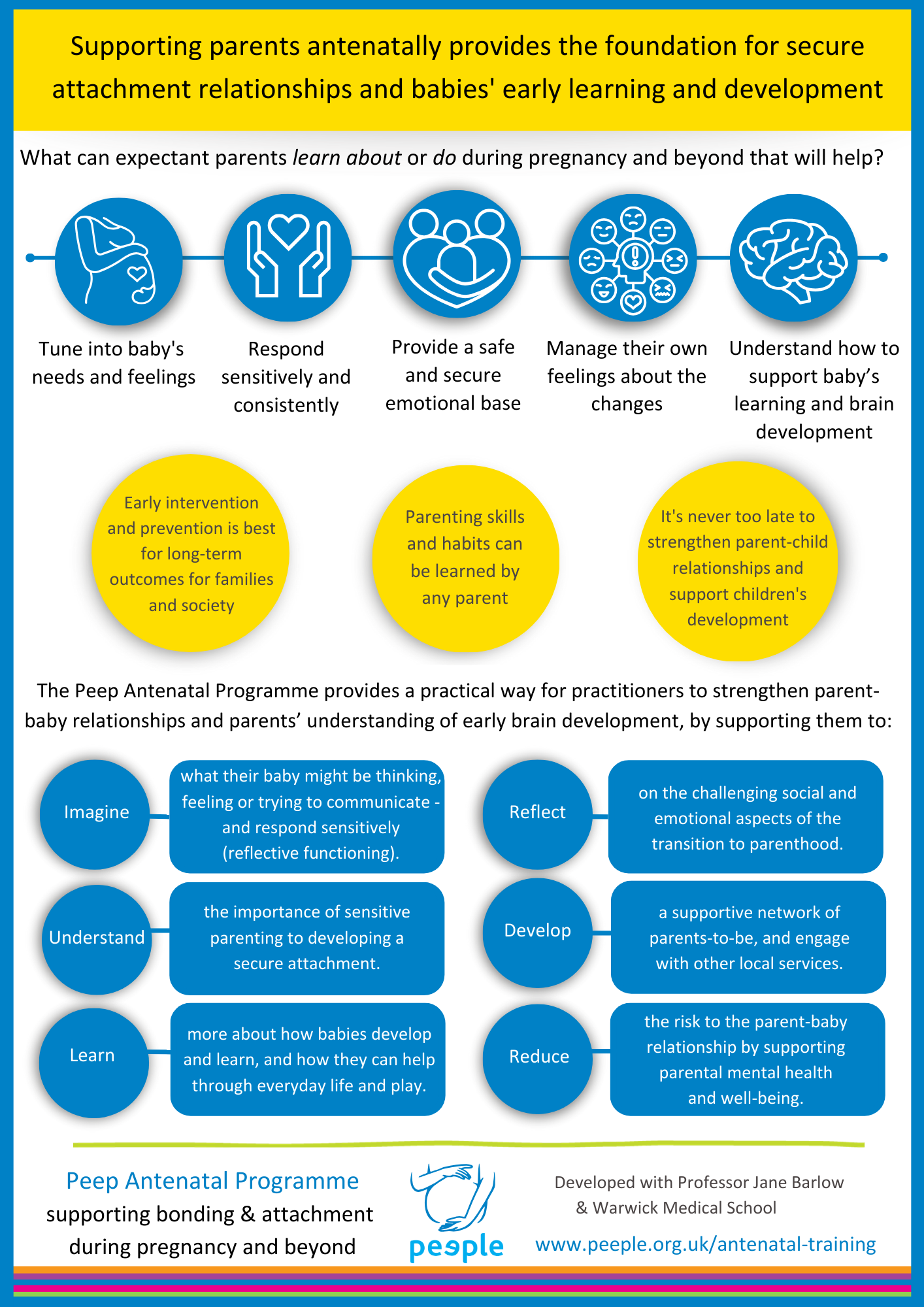
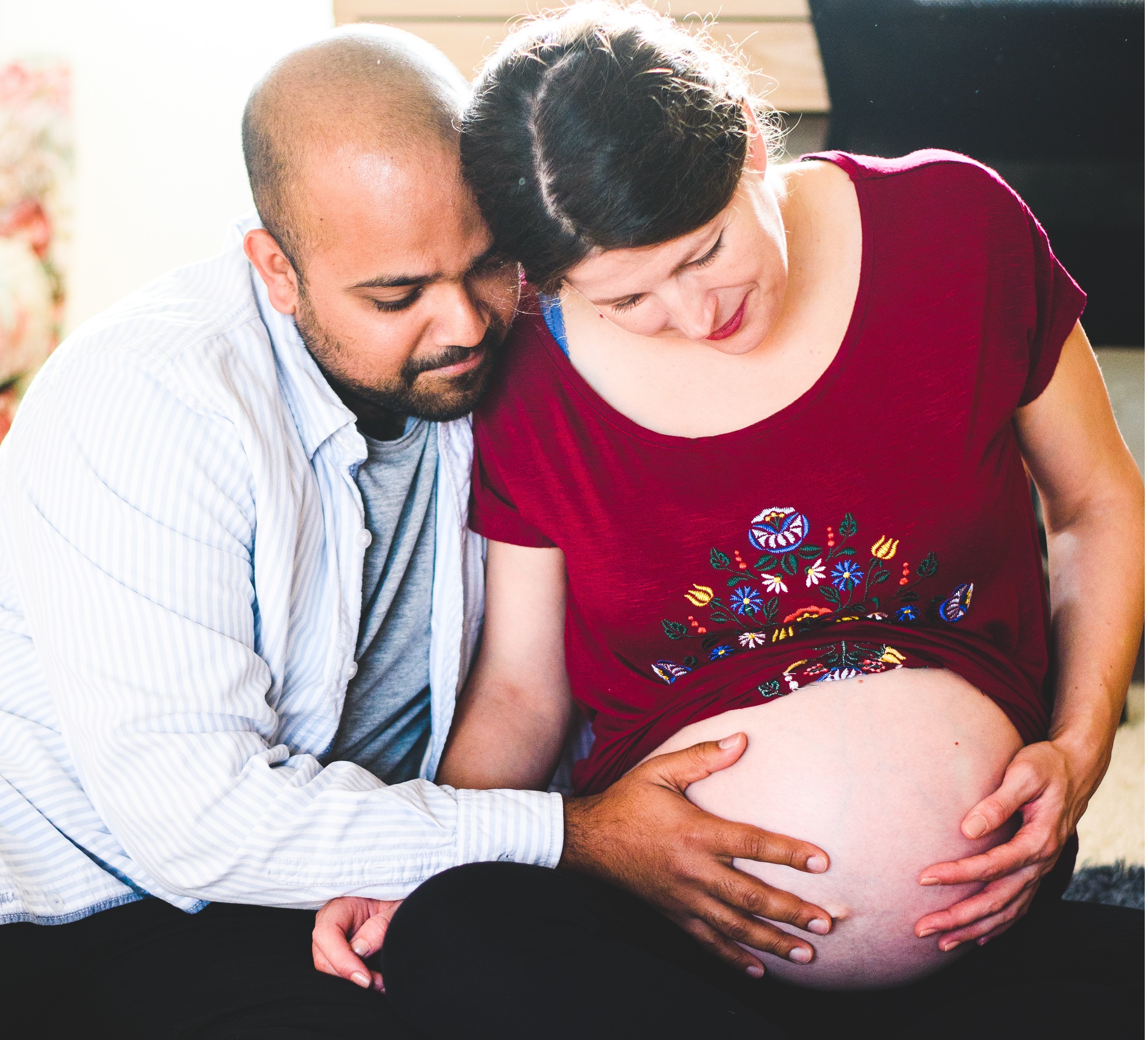
Our antenatal programme supports expectant parents (mums and dads) to:
- think about their baby, tune in to their baby's feelings and respond sensitively (also known as reflective function),
- understand the importance of sensitive parenting to developing a loving, consistent and secure attachment,
- become more aware of the social and emotional aspects of the transition to parenthood,
- manage their own feelings that are aroused by a new baby,
- understand how to support their baby's early learning and brain development,
- meet other expectant or new parents and develop a supportive network group, and engage with other local services,
- reduce the risk to the early parent–infant relationship (by helping to prevent, for example, isolation, anxiety and low-level depression).
These things help parent-baby bonding and attachment. Research indicates that strong relationships enhance parents' confidence and self-esteem. They also contribute to better outcomes for the child in terms of their cognitive development (learning and understanding), the relationships they build, and their resilience to cope if life gets tough.
 Peep Antenatal Training - for practitioners
Our 1-day Peep Antenatal training equips practitioners with the knowledge, practical skills and resources to deliver the Peep Antenatal Programme. As the Covid pandemic has highlighted, early intervention plays a crucial role in supporting families at such a life-changing time.
Feedback from parents-to-be
'I found out lots about what baby gets up to inside my belly'
'We learned how to help our baby to learn and what to expect, and how important it is to interact with baby before she’s even here'
'I enjoyed making baby’s first book, meeting other mums to be, sharing stories’
'Since coming to Peep Antenatal I massage my tummy, sing songs and talk to her'
'I was surprised and pleased to find out that my baby is a lot brighter than I thought'
Using the antenatal programme with expectant parents
The Peep Antenatal Programme can be used perinatally - during pregnancy (from 28+ weeks is recommended) to the early weeks following birth. It can be used for a flexible number of sessions, including one-to-one with parent/s and baby in the home or in other settings, or in groups.
Programme development
Our antenatal programme for families, and the training for practitioners, were developed with Professor Jane Barlow and colleagues at the University of Warwick Medical School. It was originally known as Peep Reflective Parenting. All Peep Programme delivery is underpinned by our principles.
> Download our Peep Antenatal Programme & Training leaflet
> Find out about our Peep Antenatal Training for practitioners or check out the next Peep Antenatal Training dates.
Feature box body:
Peep Antenatal Programme & Training
'Getting to know your baby'
Feature box colour:
Side Quote:
-
‘I didn’t realise my baby would be able to hear when he was born…’ (Dad)
-
‘I’d never thought it was worth talking to a new born baby’ (Mum)
find out more or book training
tel 01865 397 970
[email protected]
> antenatal training
> in-house training
> training courses
> sign up to our e-newsletter
Side Image:

Side Image 2:
Side Quote Color:
- Read more about Peep Antenatal Programme: Getting to know your baby
- Log in or register to post comments
child-minding project
Body:
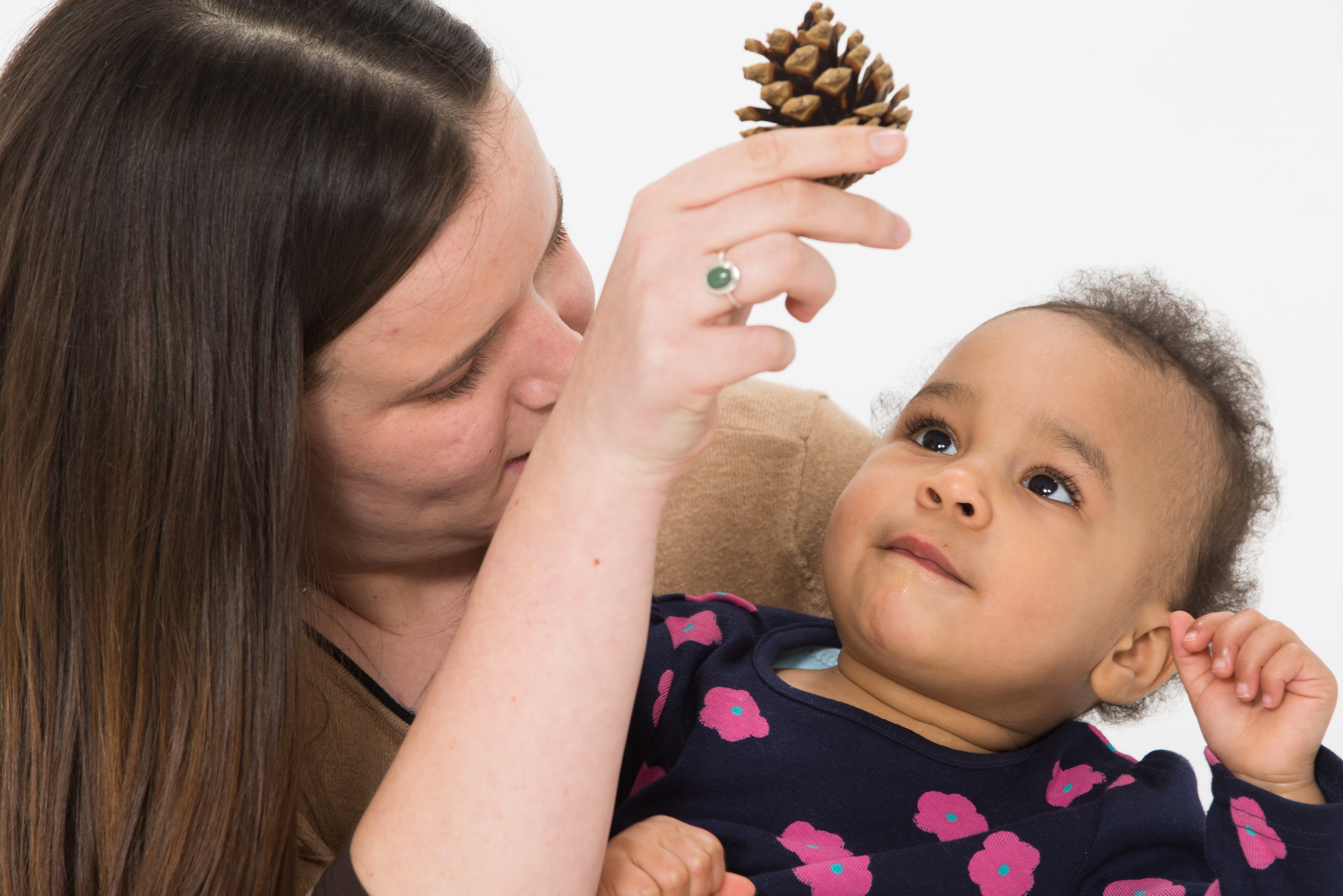
We are working with Action for Children on a two-year project working with child-minders in Oxfordshire and around the country.
The aim of the project is to improve outcomes for children, through training and supporting child-minders:
- to use the Peep Learning Together programme in their work directly with children and
- to share elements of the programme with parents.
The project is being funded by the Department of Education.
Image:
Feature box title:
work with child-mindersFeature box colour:
Featured box image:
Side Quote:
commissioning peep services
Contact us for more information or a quote:
Tel 01865 395145
[email protected] or [email protected]
> Sign up to our e-newsletter
Side Quote Color:
- Read more about child-minding project
- Log in or register to post comments
early language support
Body:
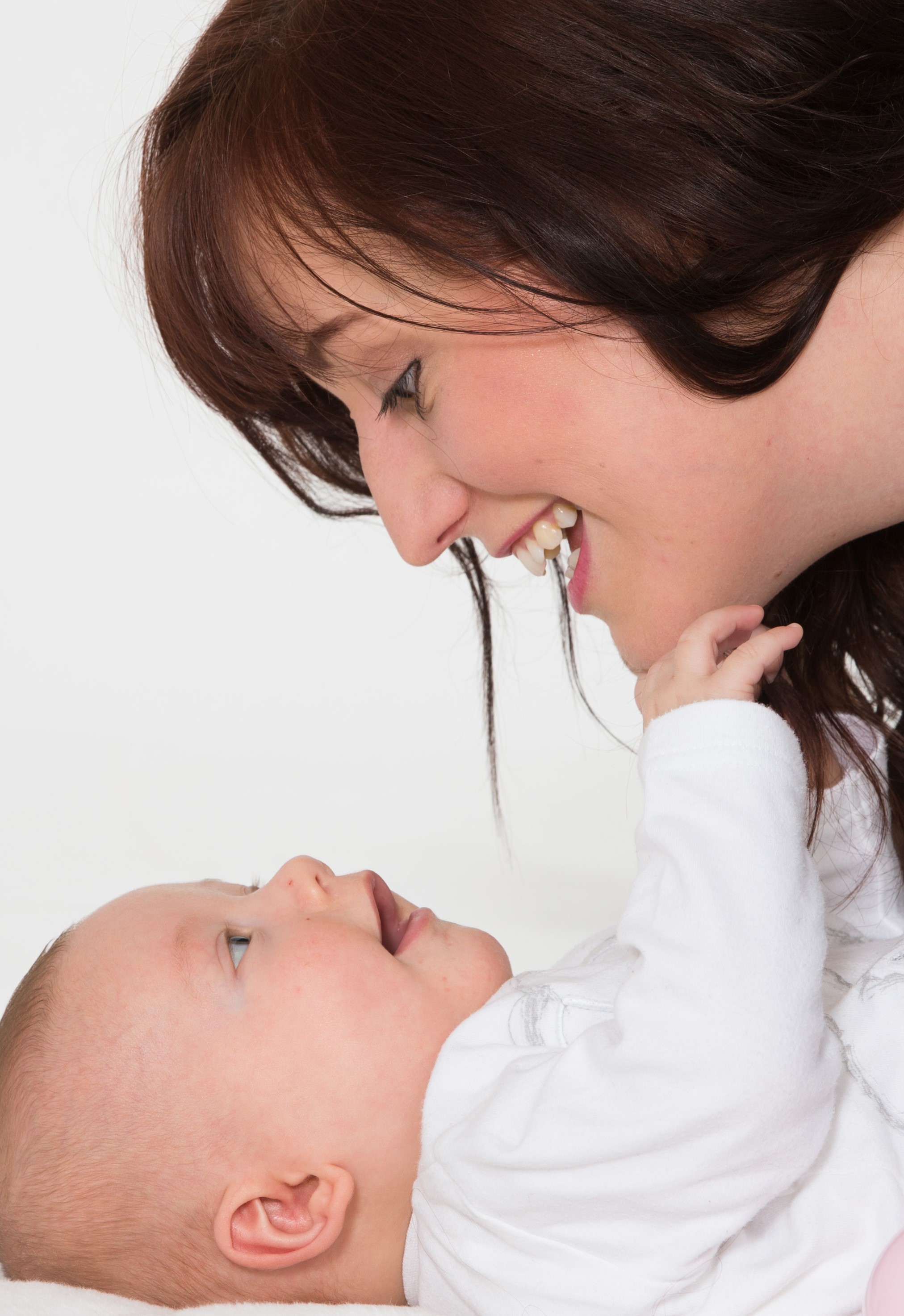
We have been working in partnership with the NHS to carry out a three year project (commissioned by Oxfordshire County Council) to develop and deliver high quality support for early language development from birth to four.
The purpose of the work is to enhance the life chances of children by improving their communication and language skills.
With speech and language therapists across the county, we now provide a menu of interventions which combine the strengths of both our organisations, add value to what we can offer, and avoid duplication.
The Early Language Support programme combines targeted and universal services which:
- work preventatively with families from the earliest weeks of their child’s life
- work with and through parents, supporting them as their child’s first and most significant educator
- provide specialised speech and language support where needed
- improve access to families who may be hard to reach
- train practitioners in early years settings
- embed training into practice.
> Read more in an article from the Public Services Review
Image:

Feature box body:
early language support
with the NHS
Feature box colour:
Side Quote:
commissioning peep services
Contact us for more information or a quote:
t 01865 395 145
[email protected] or [email protected]
> Services overview
> Sign up to our e-newsletter
Side Image:
Side Quote Color:
- Read more about early language support
- Log in or register to post comments
peeple centre - local delivery
Body:
Peep with families - Delivery Team in Oxfordshire
If you’re pregnant or a parent/carer of a 0-5 year old in Greater Leys, Blackbird Leys, Rose Hill, Littlemore or Berinsfield in Oxford/shire - or a professional working with families in these areas - please contact us to find out more about free Peep groups:
Tel 01865 395145 or email [email protected] or find out more: www.peeple.org.uk/parents-area
Peeple Centre in Littlemore, Oxford
At the Peeple Centre in south Oxford we have been working with local families, using the Peep Learning Together programme, since 1995. This is the only place that we employ our own Peep practitioners, who work in the Leys, Littlemore and Rose Hill, and are part of our collaborative Growing Minds project with Home-Start Oxford and The Berin Centre, in Littlemore and Berinsfield. We also have our own Little Peeple Nursery just round the corner.
The Peeple Centre building is also our head office for other Peeple staff including some of our training team, alongside those working remotely in other parts of the UK.
Our four-minute 'What is Peep?' video shows Peep groups with families, babies and toddlers, and you'll hear from Peep practitioners and parents:
You can also see a shorter 2-minute version here: 'What is Peep? Two-minute snapshot video'
Feature box body:
peeple centre -
local peep delivery in Oxford
Feature box colour:
Side Quote:
find out more or book training
tel 01865 397 970
[email protected]
> dates & booking
> in-house training
> training courses
> sign up to our e-newsletter
Side Image 2:
Side Quote Color:
- Read more about peeple centre - local delivery
- Log in or register to post comments
musical partnerships in play (MERYC)
Body:
Reflections from Alison Street on the 2014 MERYC-UK conference in Cambridge
MERYC stands for Music Education and Research with Young Children - a network of musicians, teachers and practitioners interested in the interface between practice and research in the musical lives of young children and their families. The themes of the conference, Music, Partnership and Play were explored through two keynote presentations by Dr Sue Rogers (see her chapter in Pretend Play and its role in Young Children’s Thinking) and Professor David Hargreaves (who wrote The Developmental Psychology of Music). Current issues and practice were discussed through eleven practice papers, ranging from music with neonatal at-risk babies, to music in the everyday lives of young children, to music in the EYFS.
The research papers presented included the playful musicality of two year olds, our PEEP action research with South Asian families, exciting work on music and children’s self-regulation and research on the purpose and influence of music in children’s centres. The workshops took us through practical activities, conversation, reflection, dance, stories and laughter. Titles like 'Every song tells a story’ and ‘Let’s move, let’s ride, let’s sing, let’s laugh’ explored how playfulness can be inspired by musical forms, while laying a foundation for listening, language, movement, social and spatial awareness and expression.
Nuzhat and I presented a paper on the Action Research projects involving PEEP with South Asian families in Oxford. Nuzhat continues to work with women with pre-school children – women who have felt isolated for any number of reasons. Some feel lonely and far away from family support especially if they are newly arrived; some are depressed because they feel under pressure of household duties and family expectations; some are ashamed of their home language because (for colonial and historical reasons) Punjabi does not receive the same status as English and Urdu. With conference delegates we explored ways of breaking down this sense of isolation through collectively re-constructing memories of songs and stories from our childhoods. The warmth and accessibility of Nuzhat’s singing voice bring these back to life in the PEEP CD Singing Together in Urdu and Punjabi which contains songs remembered by Oxford parents.
We can see how powerful singing can be in recreating childhood memories, how talking about songs and stories can articulate the values dear to individuals’ family lives, women’s own self-awareness and their aspirations for their children in the UK.
In this presentation of Nuzhat’s work through PEEP we could witness how music is meaningful to families in playful games and songs, and how it is used in partnership between practitioner and families. It also provides a medium in which the ORIM framework can be explored with parents:
- Opportunities to sing and talk about childhood memories and stories
- Recognition of music’s expressive role in enhancing and supporting children’s home language
- Interaction through playing and singing together
- Modelling the gestures and words of songs both old and new.
MERYC-UK is part of a wider European network which will hold its biennial conference in Estonia in May 2015 (see www.meryc.eu).
Brief reflections about another research presentation on the value of action songs.
how action songs help
Reflections from Julia Shay on the 2014 MERYC-UK conference in Cambridge
Another session particularly relevant to Peep practitioners focused on observational studies in a Children’s Centre, undertaken by Jessica Pitt as part of her doctoral research.
Jessica had compared what went on in outdoor play, art activities and parent-child music sessions. She was trying to understand what is actually going on at a deep level when parents and children engage in action songs and rhymes in a group setting. Her conclusion was that during the practitioner-led music sessions everyone is doing the same thing at the same time, and that with action songs everyone can join in at least a bit. She referred to many interesting concepts such as the role of music in ritual and culture, Turner’s writing about rites of passage, stepping over a boundary and becoming someone else in the group, and also the idea of experiencing group flow.
Jessica also talked about the role of smiling and laughter as social release. So a music session in a Children’s Centre can provide a useful emotional and social function for adults and children as well as developing children’s knowledge of language. Something that on the surface might appear to be a simple enjoyable interlude can be an extremely powerful opportunity for learning, growth and integration.
Feature box colour:
Side Quote Color:
sharing research
Body:
An important part of Peep's role is to promote research about supporting families with their children’s learning. There is a dynamic relationship between research into Peep programmes, and their development and delivery by practitioners and families around the UK and beyond. Research findings can offer fresh insights for practitioners, while new and evolving ways of delivering the Peep programme continue to be evaluated.
In many countries, government and society are increasingly recognising the importance of parents’ and carers’ roles in children’s learning. There has been an increase, over the past couple of decades, in research in this area.
The following pages contain a few examples of research that might be of particular interest to those involved with Peep programmes.
Feature box colour:
Side Quote Color:
music moves: intercultural approaches to connecting through music
Body:
The aim of this action research project was to make music accessible to families with preschool children, especially families who, for diverse reasons may not access mainstream services. Activities took place in Luton, Birmingham and Oxford.
Music leaders liaised with local children’s centre professionals including family support and health workers to:
- establish an integrated approach that helps families to access music provision, and which benefits services to support families
- promote music making as a valued part of provision for families
- raise expectations of what families can do and participate in musically
- develop practical strategies and approaches that are helpful and accessible to families.
Phase one involved interviews with parents about their existing musical interests and experiences with their children, to inform approaches and with professions about their views on using music with families. Phase two involved direct delivery of musical sessions with families over 20 weeks, and reflective sessions with the musical leaders.
Music Moves ran for two terms, from Sept 2011 to end of March 2012. The project was administered through St Thomas Centre in Birmingham, headed up by Cynthia Knight. It was funded by Youth Music and evaluated by Dr Susan Young from the University of Exeter.
The project contributed to the production of a CD of rhymes and lullabies and to the development of a training day in ‘Working with South Asian Families’. Dr Alison Street and Nuzhat Abbas reflected on this project in a paper they presented at the Music Educators and Researchers of Young Children (MERYC) conference:
> Music Moves: the development of intercultural approaches to engage musically with ‘hard to reach’ families
Feature box body:
music moves
connecting through music
Feature box colour:
Side Image:

Side Quote Color:
time to play project
Body:
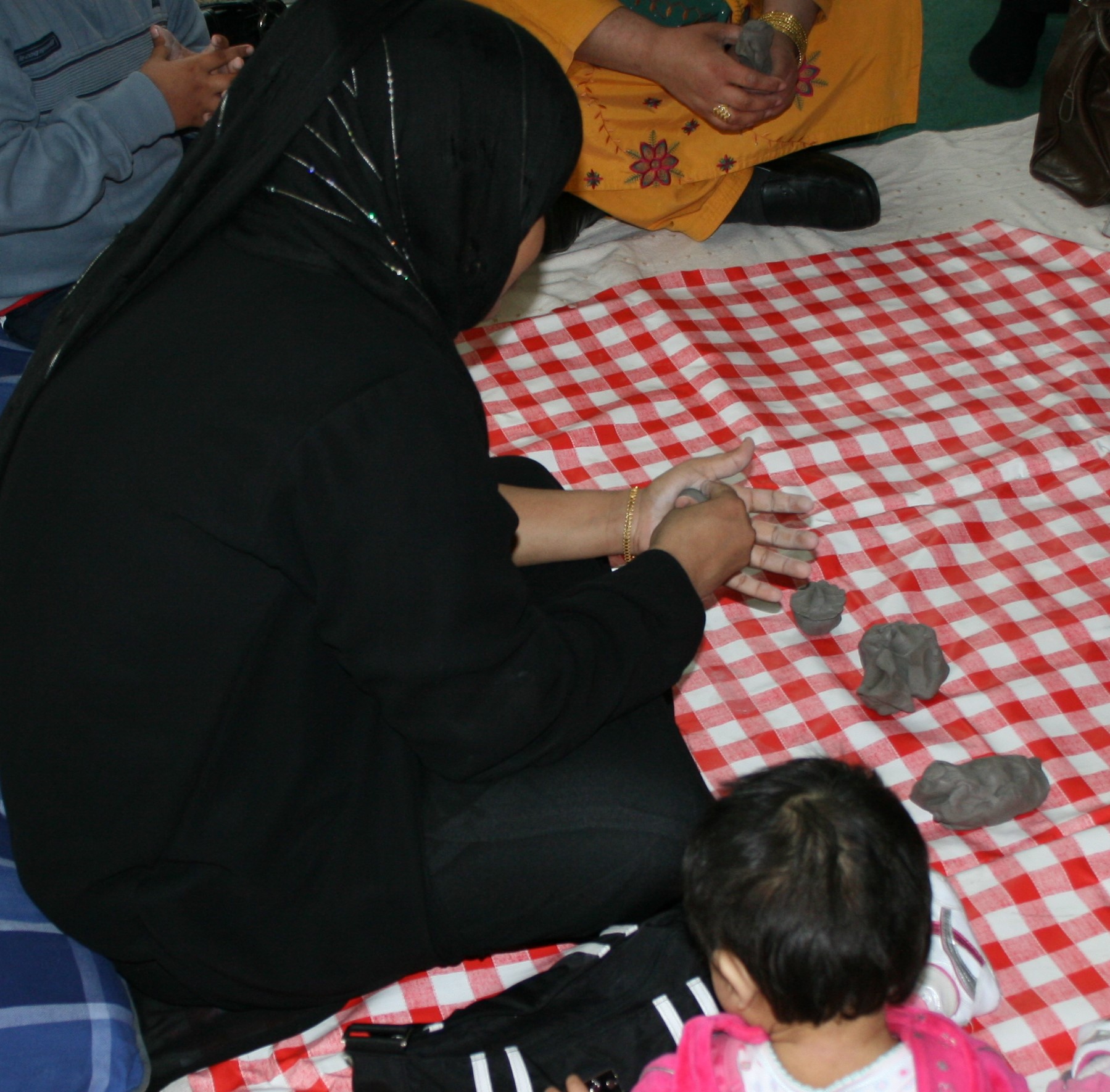
The aim of the Time to Play project was to improve the integration of young children of ethnic minority (particularly Muslim) families, into the services offered by Children’s Centres. The project developed culturally appropriate approaches for mother and child sessions, based on creative play as a foundation for learning. These approaches fostered communication, self-esteem, language and creativity, and built on successful practice evolved through Peep. Through participatory action research, the project arrived at recommendations for intercultural practice and materials that respect the mothers’ values and parenting styles, and support their children’s development in line with the Early Years Foundation Stage.
The Time to Play project was participatory in its approach. It involved parents in the design of what ‘works’ for them, as being culturally relevant and in tune with their aspirations, and in recognition of what they already do at home. It extended the Peep group provision by focusing on creative play for early learning within ethnic minority communities. These groups were based in Children’s Centres in Oxford, Bristol, Southampton and Birmingham, with a high proportion of Muslim families and different ethnic backgrounds in each city. The project ran in three progressive phases: Consultation/information gathering; Development and delivery of approaches; Dissemination/sharing of what we learned. The work in this project also led to the production of a CD: Singing Together in Urdu and Punjabi.
Implications for future practice and ways of working, along with practical approaches and ideas, emerged during the project. You can read more about them in the:
> summary of the Time to Play action research project
> paper presented at the MERYC conference (Music Educators and Researchers of Young Children) by Dr Susan Young and Alison Street.
Time to Play was managed from the Peeple Centre in Oxford, and the approaches were researched in partnership with Dr Susan Young from the University of Exeter, who has extensive experience of similar projects.
Feature box title:
time to play studyFeature box colour:
Featured box image:
Side Image: