
supporting parents and
children to learn together


Green
ORIM
Body:
ORIM stands for Opportunities, Recognition, Interaction and Modelling. These are four practical ways that parents and carers support their children’s learning and development.
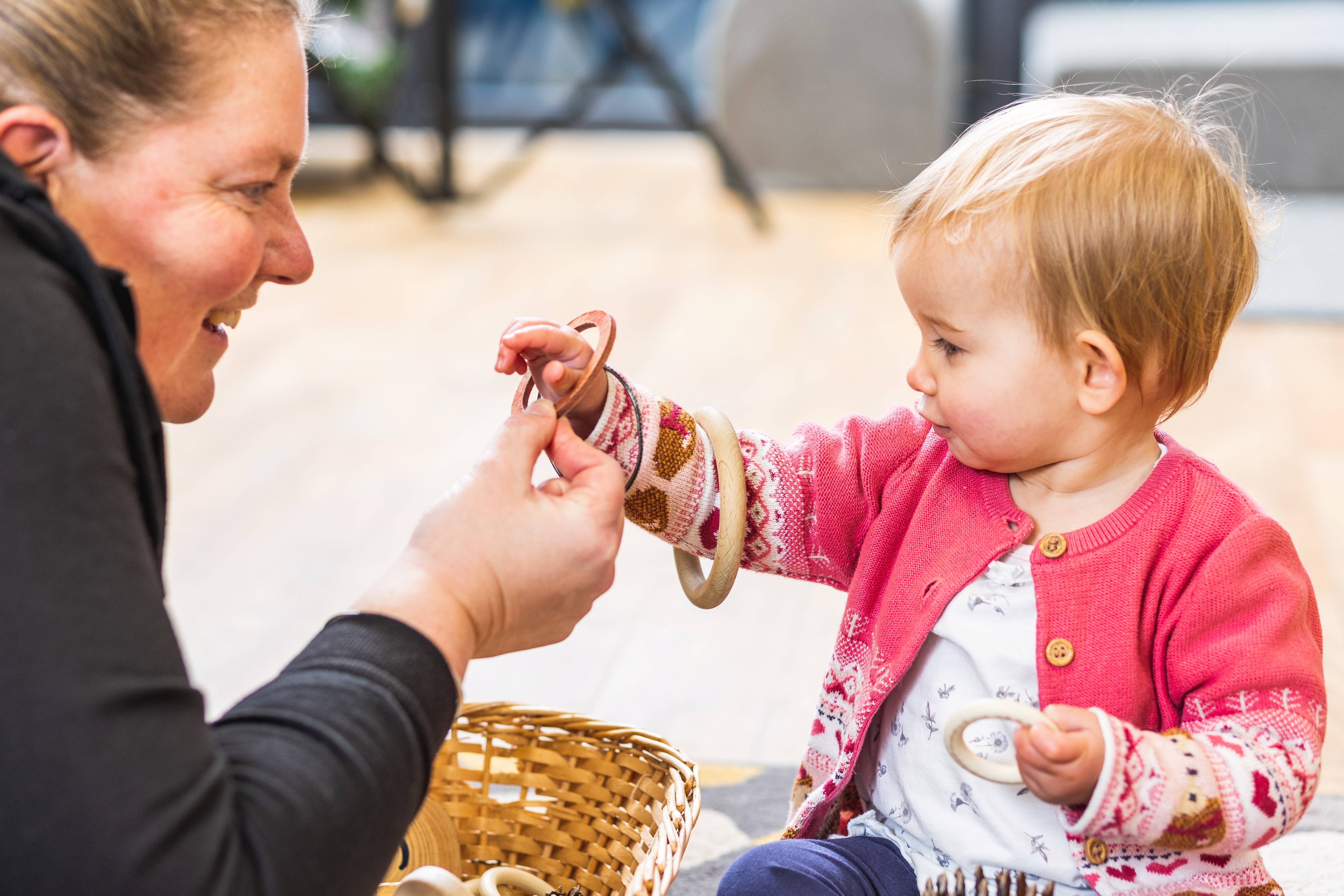
Opportunities: Parents and carers make the experiences of day-to-day life into learning opportunities through the ways that they interact with their children: listening, talking, singing, playing (indoors and outside), encouraging, and giving them time and attention. Parents also give children opportunities to explore and experiment with everyday objects, such as mark-making with a paintbrush and water or chalk on paving stones, or using an empty box to make a toy farm, dolls house, boat, space rocket...
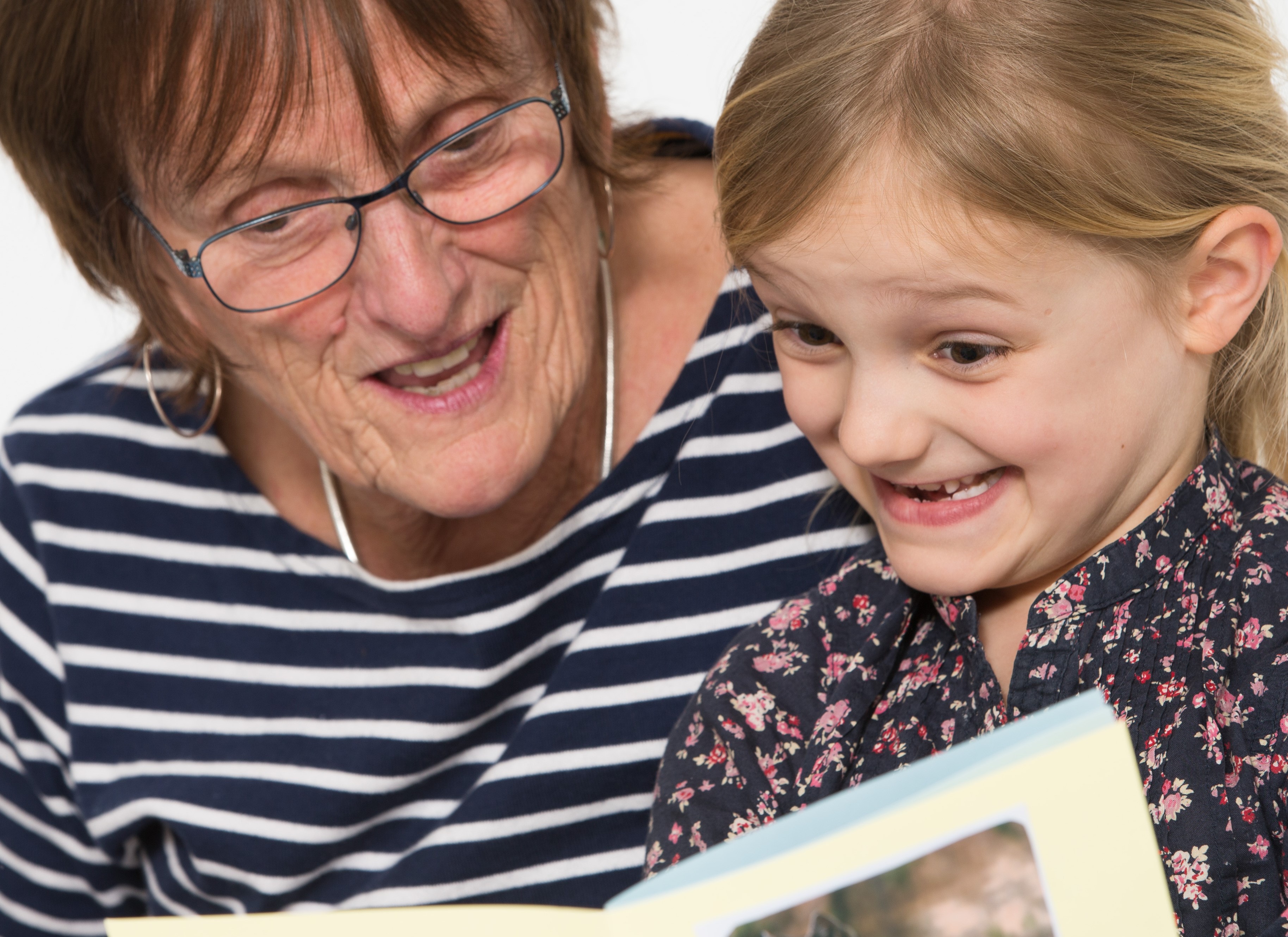
Recognition: When parents and carers show that they recognise and value their children’s efforts and achievements - and the children themselves, just for who they are – it contributes to children’s understanding and belief in themselves as learners. Recognition can be simple and low-key (e.g. a quiet word, smile, or high-five), or more obvious praise and encouragement, or putting their painting on the fridge or making up a story in which the child appears as a character. Parents and carers also recognise what counts as progress for their own child (e.g. being able to balance for longer on a log, or to join in with a familiar song).
Interaction: Parents and carers support their children’s development by interacting with them in many ways, such as:
- listening and talking with them about what they are doing and or how they are feeling
- involving them in everyday tasks such as cooking or cleaning
- explaining or demonstrating how to do something
- offering reassurance or encouragement as a baby explores (without getting too involved)
- helping a toddler to manage their frustration
- watching television with their child and chatting about what they are seeing.
Modelling: Babies and young children learn from watching and listening to those around them. The most powerful models for them are those that they spend the most time with and who they love the best – their parents and carers. Through these models, babies and young children absorb behaviours, attitudes towards learning and how to interact with others. They also learn more specific things, such as how literacy and maths are used as part of day-to-day life, such as writing a shopping list or paying for the shopping.
This ORIM framework was developed by Professors Peter Hannon and Cathy Nutbrown at the University of Sheffield. In their work with families, they noticed that all parents and carers support their children's learning by naturally providing Opportunities, Recognition, Interaction and a Model (ORIM for short). However, when we (as practitioners or parents) understand how ORIM helps learning, we're more likely to think about and do them more often in everyday life - which helps children's learning even more. And the big difference is NOT how well we ourselves got on at school - but what we do with our children: talking, playing, singing, sharing books and stories, and keeping ORIM in mind.
ORIM is threaded through Peep programmes - it helps practitioners to see and value what parents and carers are already doing to support children's learning. As parents and practitioners share ideas, they improve the quality of the home learning environment, which research has shown to be so important for children’s later outcomes.
how orim helps families
The more that we as parents and carers know about how children learn and develop, the easier it becomes to:
- understand how to make everyday events into learning opportunities
- recognise what counts as progress for our own child, and understand how to scaffold their learning (support them with new things, while they learn to do it themselves)
- recognise and value all the little developmental steps on the way to the ‘big’ goals of learning such as talking, reading and writing
- recognise and celebrate our child just for being themselves
- understand the different ways that we can helpfully interact with our child
- appreciate our role as a model for our child/ren.
> Download our short topic handout: An Introduction to ORIM or our Urdu version: An Introduction to ORIM in Urdu (for screen) or An Introduction to ORIM in Urdu (to print).
To find out more about parents and children learning together in everyday life: ask about Peep sessions at your local children's/ family centre or early years setting, visit our facebook page or attend one of our practitioner training courses.
Feature box title:
what is orim?Feature box colour:
Featured box image:
Side Quote:
find out more or book training
tel 01865 397 970
[email protected]
> dates & booking
> in-house training
> training courses
> sign up to our e-newsletter
Bottom Quote:
Parent feedback in a Peep group, discussing the question: Has anything that we’ve done or talked about in this group made any difference to the ways that you encourage your child’s confidence?
‘I notice the little things they do and praise them more’
‘I allow her to experiment more – not worrying too much’
‘Being more positive and encouraging, giving him more opportunities and more recognition’
‘Encouraging my children when they have achieved something by themselves and seeing their excitement when they have achieved something’
‘Peep gives you the chance to talk and reflect on everything. It makes you take the time to talk and listen more when sometimes we feel very busy.’
Side Image:
Side Image 2:
Side Quote Color:
Image 2:
peeple principles
Body:
All Peep Programme delivery is underpinned by our principles:
 We believe that relationships are at the heart of learning
We believe in the potential of every parent, every carer and every child
We recognise parents and carers for what they already do, and help them to do more
We believe that lives can be transformed by building on everyday learning experiences
We recognise the importance of reflecting on the world through the eyes of others

The Peeple principles complement the United Nations Convention on the Rights of the Child (UNCRC). This covers all aspects of a child’s life and sets out the civil, political, economic, social and cultural rights that all children everywhere are entitled to. It explains how adults and governments must work together to make sure all children can enjoy all their rights, whatever their ethnicity, gender, religion, language, abilities or any other status. There are four general principles covering non-discrimination, the best interests of the child, the right to life survival and development, and the right to be heard. The Convention has been signed by all United Nations member states (other than the USA). Respecting and teaching children about their rights ties in with the broader support provided by parents and carers every day: listening, talking, playing, reading and spending time with children, helping them to develop empathy, understanding and interest in the people and the world around them.
Feature box body:
our principles
Feature box colour:
Featured box image:
Side Quote:
Has Peep made a difference to you or your baby?
‘Ooooh yes!!! He turns his own books and points at pictures and words.’
‘I’m doing more things with my child.’
'It’s helped my confidence and helped my baby’s confidence with other babies and people. He’s enjoying the company and the chance to copy and be encouraged by the other babies.’
Side Quote Color:
Peep Learning Together Programme
Body:
Peep Learning Together is an evidence-based programme that supports the home learning environment. It helps parents and carers make the most of the learning and play opportunities in everyday life, so that children become confident communicators and learners, and are ready for school when the time comes.
The programme is designed to be used flexibly by trained practitioners with families in any early years or family support setting. It is included on the DfE menu of Home Learning Environment evidence-based interventions for Best Start Family Hubs.
> Join one of our free Information sessions to discover how our evidence-based Learning Together Programme and training for practitioners can help to strengthen your work with families
Watch our 'What is Peep?' video to find out more about Peep Learning Together groups, and to hear from Peep practitioners and families:
Research has found that the main influences on young children’s outcomes are the quality of the relationship with their parents and carers, and what they do with their family, from birth (known as the Home Learning Environment). Early intervention makes a real difference. Our evidence-based Peep Learning Together Programme contributes to this, by helping:
- parents and carers to improve their children’s life chances, by:
- developing sensitive and responsive relationships with their babies and children,
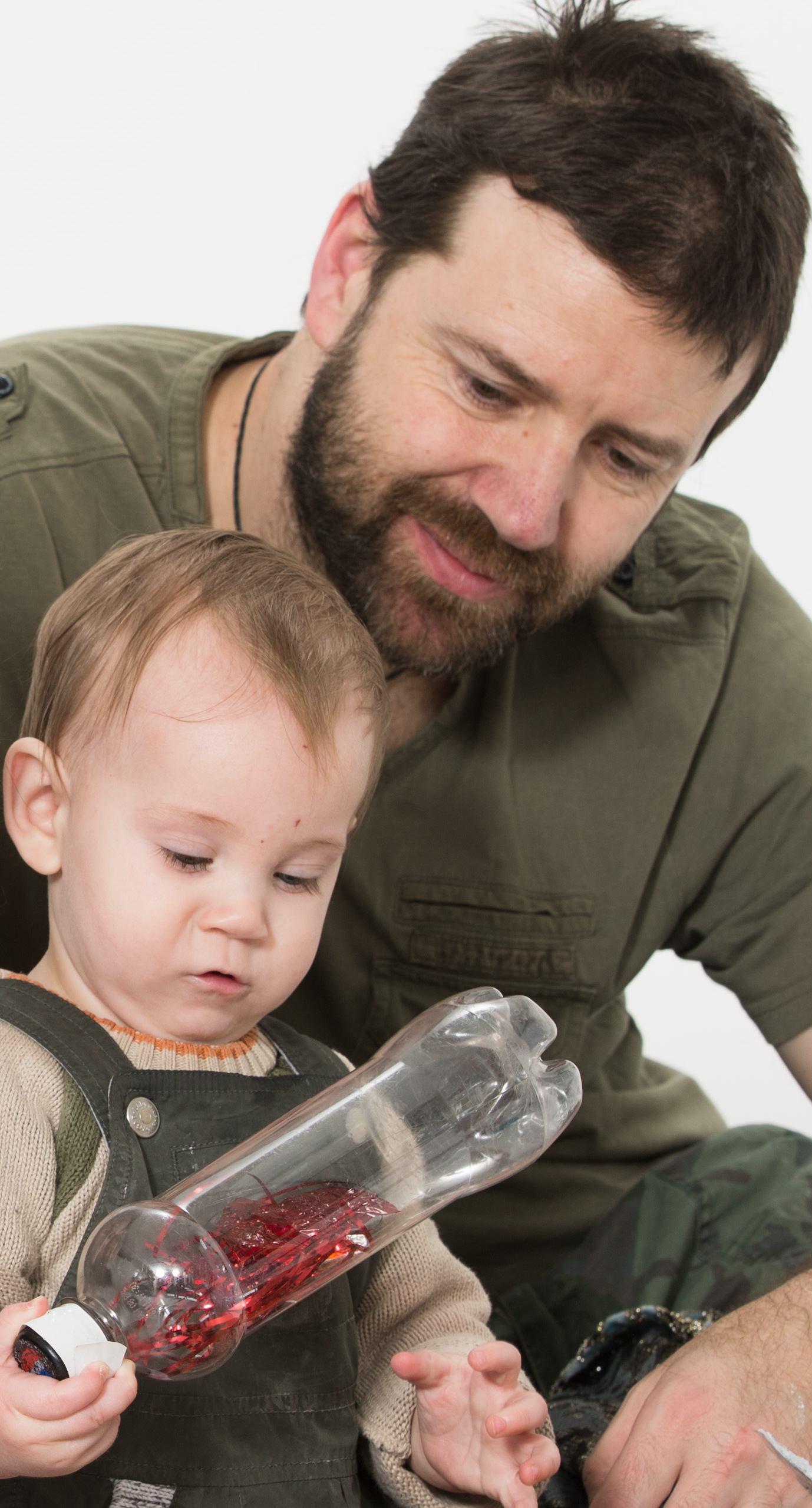
- making the most of day-to-day learning opportunities – listening, talking, playing, singing, and sharing books and stories together,
- recognising and building on their own learning potential and achievements,
- babies and children to become confident communicators and learners through play
- practitioners to develop their work with parents/carers and young children
- communities to narrow the attainment gap, which appears even before children reach school.
What is the Peep Learning Together Programme?
The Peep Learning Together Programme (LTP) values and extends what parents/carers already do to support their child's learning in everyday life. Peep is a strengths-based approach to working with families, focusing on doing with rather than doing to parents, in line with our principles.
If you are already a Peep-LTP-trained practitioner, you can access the whole programme by logging in to the Members Area.
Practitioners from any sector can use the structured but flexible Programme once they have completed the two-day Peep LTP Training. This includes downloadable access to information, ideas and activities within 74 child development topics, each with session plans and parent handouts. The Programme covers five strands of child development, which it aims to improve by working with parents:
- personal, social and emotional development
- communication and language
- early literacy
- early maths
- health and physical development.
> Look at an overview and examples of LTP topics and their downloadable resources.
What happens in a Peep session
Peep-trained practitioners share the Peep Learning Together Programme (LTP) with families through conversations and joint activities focusing on aspects of children's learning and development, underpinned by the ORIM learning framework. Peep sessions are for parents/carers and children together. Each session is based on a child development topic, which contains:
- talk time, to discuss key ideas with parents and carers relating to the topic focus
- songs and rhymes
- books and stories
- ways to put ORIM into action (Opportunities, Recognition, Interaction, Modelling)
- play activities (during the session and/or ideas to try at home).
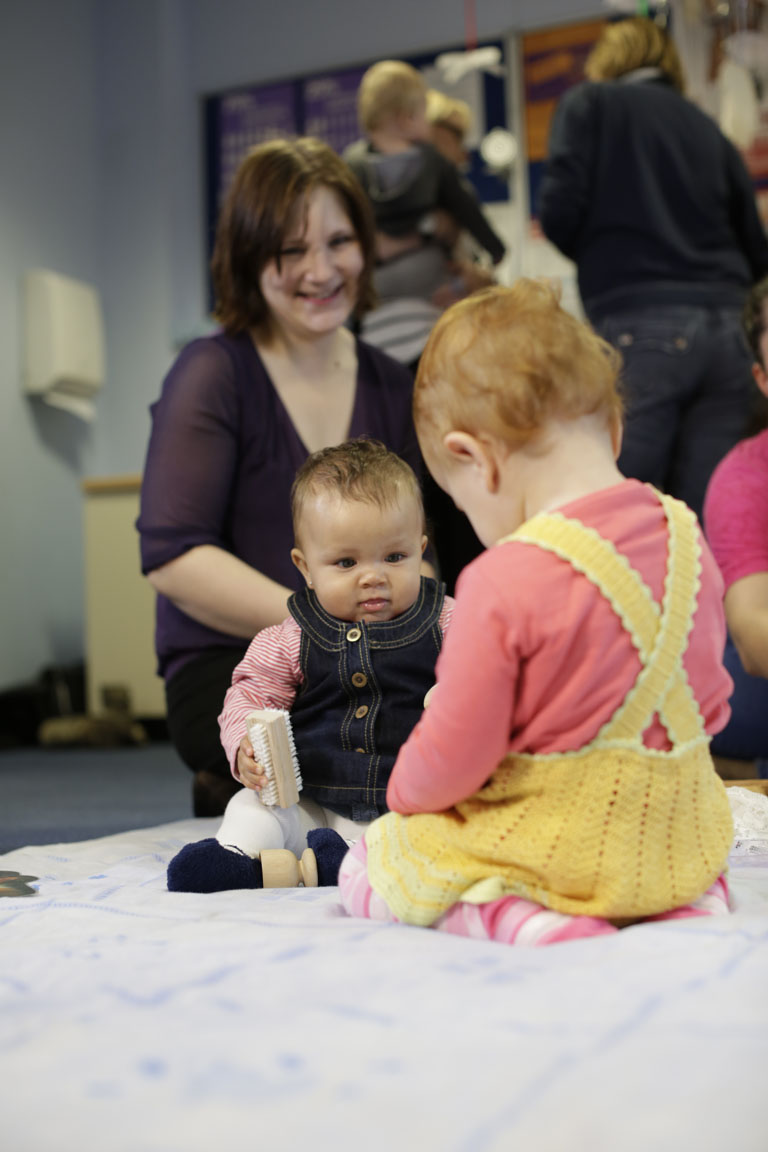
Peep sessions raise awareness and model how singing, talking, playing and sharing books and stories together help strengthen relationships and develop children's listening, talking and later literacy. Families also consistently report that Peep sessions are fun, increase their confidence (both adults and children) and provide an important source of ideas and support from the practitioners and other families.
Practitioners can decide the length and format of their Peep sessions and courses. On average, sessions last about an hour (generally shorter if online or 1-to-1). Practitioners often run Peep courses of between 6 and 10 weekly sessions, though some offer one or two taster or focused sessions (e.g. focusing on ‘Transition into the setting’), while others offer sessions on a rolling basis throughout the year or term.
Who is the Peep Learning Together Programme for and how can it be delivered?
Peep is relevant to all parents/carers and young children, and can be used for both targeted and universal work with families. The Programme was designed to be used flexibly by Peep-trained practitioners, to meet the needs and interests of their local families. Practitioners can decide whether to focus on any or all of the five child development strands, and with any or all developmental stages/ages: babies, toddlers and pre-school.
Peep can be used wherever families spend time - indoors, outside or online. Click the links below to find out more about some of the ways of using the Learning Together Programme:
- in universal or targeted groups (usually for about six to twelve families)
- one-to-one
- in drop-in sessions (such as Stay and Play or child health clinics)
- in a school or nursery.
The programme can be used as part of a multi-agency approach to working with families – Peep practitioners work within Health, Education, Childcare, Family Support, Early Help, Children's Centres/ Family Hubs, Portage/ Special Educational Needs and Disabilities (SEND), Adult and Community Learning, Social Care, Prisons, Youth work, Psychology, Libraries, Volunteering... You can read case studies about a wide range of delivery contexts.
> The Peep Progression Pathway offers formal recognition of parents'/ carers' learning based on supporting their child's learning and development through Peep, with nationally recognised units to cover three qualification levels for parents and carers as learners. This builds parental capacity and ‘learner identity’ which research shows makes further progression into volunteering, further learning or work more likely.
> The Peep Antenatal Programme is the LTP's sister programme, and supports strong parent-baby bonding and attachment relationships during the perinatal period, beginning in pregnancy.
> Download our Peep Learning Together Programme Overview leaflet and join us on X/ twitter, Facebook or Instagram - all @peeplecentre.
> Find out more about Peep Learning Together Programme Training or about holding a training course for your local staff and colleagues.
Feature box body:
Peep Learning Together Programme
Feature box colour:
Side Quote:
find out more or book training
tel 01865 397 970
[email protected]
> training courses
> dates & booking
> sign up to our e-newsletter
feedback from peep parents:
‘I’ve learned how everyday things helps my child's learning’
‘I have started to find time to play with my child’
Bottom Quote:
Feedback from peep parents:
‘I know more about my child's development - it makes me feel more confident’
‘I have learnt new things and have been reassured of the things I do well’
‘Information about the importance of reading books to my child was new to me’
Side Image:
Side Image 2:
Side Quote Color:
Image 2:
PEEP learning together programme reference
Feature box colour:
Side Quote Color:
Adult learning
Feature box body:
adult learning
Feature box colour:
Peeple Services
Feature box body:
services for families and settings in and around Oxfordshire