supporting parents and
children to learn together


Green
children's social care and community support: a city-wide approach in Aberdeen
Body:
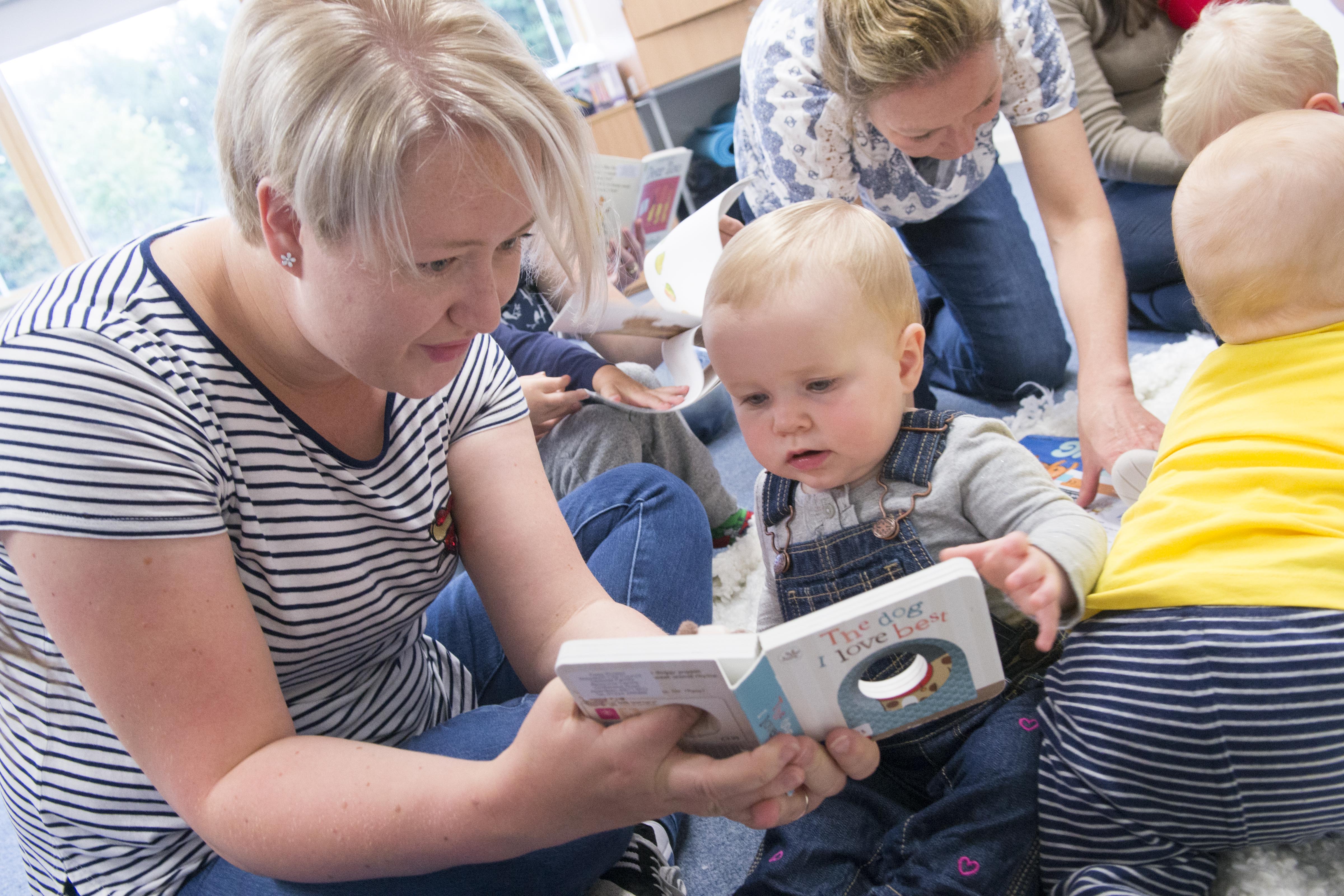 ‘Brilliant free service - by far my little ones' favourite class. I took my child, now 4, to Peep as a baby and now take my second child and it's just brilliant, the babies love it.’ - Peep parent
‘Peep is a very positive programme which focuses on people’s strengths rather than their deficits, and encourages them to enjoy their children.’ - Anne Donaldson, Lead Service Manager, Children’s Services, Aberdeen City Council
The Peep Aberdeen Service is provided by Aberdeen City Council to deliver the Peep Learning Together Programme across the City. It began in 2003 when the City Council saw how the Peep Programme could support the families of children under five to improve the quality of the home learning environment and parent-child relationships.
Peep Aberdeen was funded until 2008 by Changing Children’s Services as a way to enable multi-agency working to improve outcomes for families. Peep is now a mainstream service integrated into Family & Community Support and Children’s Social Work. Partners include Health, Social work, Education and the Third Sector. The Council have continued to invest in the work through an increase in staffing, growing capacity.
The Peep Aberdeen team provides universal Peep groups, focused Peep groups and individual support to approximately 150 families at any one time. They also train practitioners and volunteers from a variety of settings to deliver the Peep Learning Together Programme, and support them to deliver high quality provision.
The following information was provided by the Peep Aberdeen team. We would like to say thank you to them and express our admiration for all they do to improve the lives of children and families.
early intervention with care-experienced children and their parents/carers
Peep sits within Family & Community Support and Children’s Social Work as it is recognised that the service can offer early intervention to families who may require some additional support for a short period of time and that this may prevent escalation to more intensive support. Peep can also support families back into their community as part of, or following social work intervention.
We work with our Contact Centre and have trained all of their staff to deliver the Peep Learning Together Programme. The Family Learning Worker delivers 1-1 family sessions, working in partnership with the Permanence and Care Teams. For families where children are looked after at home (a ‘supervision order’) the Family Learning Worker can work with the parent and child(ren) in their home.
We work in partnership with Richmondhill House. Richmondhill House is a child-centred, residential service which provides an assessment of parenting ability, capacity and risk where improving outcomes for children is the main focus. Parents are offered a supportive and nurturing environment in which they can build their knowledge in relation to childcare skills and child development. Richmondhill House run a Peep group in the community. Residents of their service are encouraged and supported to attend during their time in the house and also once they have returned home. This can support integration back into their community and provides continuity of support. Some parents attend Peep with their children during their unsupervised contact sessions. This is usually organised in partnership with the Contact Centre staff or other Social Work contacts.
recognising adult learning: the peep progression pathway
 The Peep Learning Together Programme has integrated early child development units at SCQF levels 3, 4 and 5. These integrated units are called the Peep Progression Pathway. We are working to embed this across our work and we are using improvement methodology to identify the most effective ways to do this. Our aim was that 80% of participating parent/carers would report increased confidence in parenting skills & knowledge of child development by June 2017. We achieved this aim but would like to increase the number of participants. To date we have had 59 parents and carers achieve a qualification.
A number of parents and carers are choosing to complete more than one unit and we have had enquiries about college courses. Some parents are thinking about new careers and some of our volunteers have gained paid employment. We have a progression agreement in place with North East College to allow Peep parents/carers to move from our informal, community provision to part and full time college courses.
Several parents whose children are looked after have completed a Peep Progression Pathway portfolio and gained a qualification. This has boosted their confidence and made them more aware of how they are supporting their child’s learning. Kinship carers and parents who have adopted their children are also offered the opportunity to complete a Peep Progression Pathway unit.
The Peep Progression Pathway now forms part of Foster carers' required annual training and development. Each Foster Carer completes a Peep Progression Pathway portfolio at SCQF level 5.
‘This has been a good learning experience for me. Although I have been fostering for a long time and doing all the encouraging, communication and singing etc. but have not really recognised how much the children benefit.’ - Foster carer
peep supporting families to stay together
Jill Mennie, the Peep Coordinator for Aberdeen from 2004-2017, shared this case study:
A mother joined our antenatal Peep group. She had lost the care of her first child and was pregnant with her second. She realised she wanted to make changes when pregnant with her second child and Peep provided that window of opportunity. This mum stayed with Peep until her child was 3 years old – allowing her to move through Antenatal, Baby, Toddler and Pre-school Peep. She then became a trained Peep volunteer, completing the Peep Learning Together Programme Training and the associated City and Guilds qualification. She progressed to becoming a crèche worker, completing a Scottish Vocational Qualification (SVQ) 2 in Childcare and is currently completing a further qualification at SVQ 3. She has care of her second child and has built a good relationship with her first.
peep for 'vulnerable twos'
We have trained and supported ‘Me2’s’ – the Vulnerable Twos service in Aberdeen. This service is for the families of two-year-olds who are entitled to 600 hours per year of free childcare. Me2 staff have been trained by Peep Aberdeen to offer Peep groups and the Peep Progression Pathway. Groups are now offered in four areas. The service is developing a rolling programme which will offer parents the opportunity to complete one unit per term if they wish. One parent has just completed her second unit and has had the confidence to progress to a higher level. Others have said they would like to continue on to a second unit.
partnership working - universal and targeted groups
The Peep Service Aberdeen has grown and grown, as have valuable partnerships. An early partnership with the Workers Education Association (WEA) led to the creation of an adult learning qualification which formed the basis of the current Peep Progression Pathway. Partnership with the NHS led to the development of a peep antenatal programme for substance misusing parents which has influenced national development of antenatal work and training by Peeple.
We offer 19 universal groups in partnership with other services and with volunteers. Other partners include the English as an Additional Language (EAL) Service, North East Sensory Service, Park Rangers and community-based parent and toddler groups. The Peep team are working with the Family Nurse Partnership to identify young parents who would benefit from Peep provision.
‘It's great to have a group for young parents that we can feed into.’ FNP nurse
We run a book club for the Peep groups and link this to Bookbug Library Challenge. We work closely with our local Bookbug Co-ordinator who regularly visits group to provide information and encourage library membership.
Focused groups are developed and run by our Family Resource Workers, often in partnership with other teams. Current examples include 'Moving On from Domestic Abuse' and 'Low Mood (postnatal depression)'. These groups focus on Peep activities to build confidence and positive attachment relationships between adult and child, but also provide peer support enabling parents to develop their own support networks.
‘I’m so glad my Health Visitor introduced me to this group and it came just at the right time. I think if it had come much later I might have needed to accept medical help and even though I’m still not feeling myself I’m certainly on the right road.’ - Peep parent, Low Mood Group
Examples of past initiatives include working with fathers in prison. This programme was developed in partnership with Craiginches Prison and supported positive transitions back into family life for children whose fathers were due for release following a custodial sentence. This programme was piloted but ended with the closure of the prison.
volunteer development
‘Thank you for giving me this opportunity with Peep. I truly enjoyed delivering my group and I don't think that would've been possible without your amazing training and everyone's vote of confidence. As a family we have been with Peep for two years and we really enjoy it.’ - Parent volunteer
We have developed a support package for recruiting, training and supporting volunteers. This provides a potential progression route into education or employment. We currently have 11 volunteers, 6 of whom are former Peep parents. All have completed Peep Learning Together Programme training and some have achieved City & Guilds accreditation and are now delivering Peep groups.
the resource library
Initial funding allowed us to develop resources for Peep delivery and we have continued to maintain and build on this. Our resources include books, play packs and an assortment of facilitation materials. These are available to all practitioners for Peep work and also other work with families. Books and play packs are also lent to families to extend learning in the home.
the peep aberdeen team
Our team consists of:
Peep Project Co-ordinator, full-time – manages the team and development of the service. Delivery Centre Internal Quality Assurance officer for the Peep Progression Pathway.
Family Resource Workers, 2.5 full-time equivalent – remit for Peep group work delivery, including delivering and assessing the Peep Progression Pathway. They lead on supporting practitioners and volunteers across Aberdeen City, and on the development of focused groups.
Family Learning Worker, full-time - remit for children in care aged between 1-3 years to support play and learning. This support is offered to parents and carers or to professionals working with the families. This can be on an individual basis or in group work. The post holder also provides training input on attachment and play for prospective adopters, foster carers and kinship carers.
Support Worker, part-time – provides administrative support to the team.
Feature box colour:
Side Quote:
find out more or book training
tel 01865 397 970
[email protected]
> dates & booking
> in-house training
> training courses
> sign up to our e-newsletter
Side Quote Color:
reflections on singing across the generations
Body:
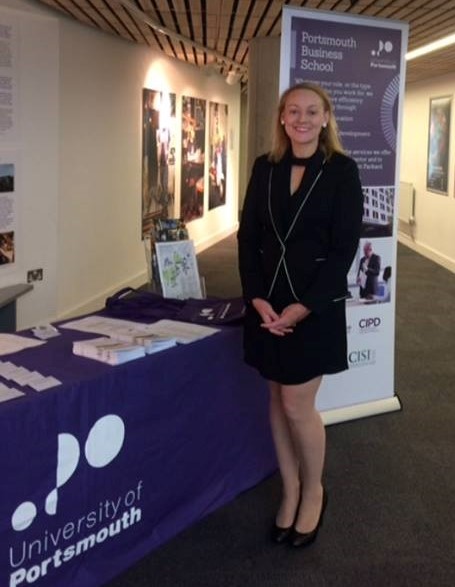
Reflections on ‘Singers as modern-day minstrels – leading and weaving storytelling in an ageing society’ - from Baby Peep to care homes for older people - by musician and Peeple Learning Together Study Project Manager Susannah Chambers, at the University of Portsmouth’s Organisational Storytelling Seminar (June 2017):
My presentation was about sharing storytelling through singing. I discussed the opportunities and risks for practitioners using singing as an approach, from singing with babies in a Peep group through to singing with older people in a care or nursing home.
I drew on my experience of singing with bands, including solo work performing in care homes for people with dementia, to explore how music can be used to improve health and wellbeing outcomes for people, especially older people. I have seen first-hand, both in Peep groups and these other settings, how sharing singing visibly brings members of a group closer together, looking more alert, happy and engaged. This clip of parents and children singing the Hello Song at the start of a Peep Learning Together group shows how powerful and reassuring it can be for members of a group to have this kind of familiar routine, which strengthens their group bond. In a care home setting it is noticeable how the songs that appear to bring the greatest engagement with residents are those very well known songs (e.g. by Frank Sinatra, Billie Holiday) that people are likely to have heard repeated many times. There has been some interesting research in this area with people with dementia (see links below, for example), but more would be useful.
The ORIM learning framework (Hannon & Nutbrown, 1995) is used within the Learning Together Programme and would also work well in this wider context. ORIM stands for Opportunities, Recognition, Interaction and Modelling. So, for example, during a song – whether in a Peep group or a care home setting – there are opportunities to sing or enjoy hearing others sing; recognition of the songs and of people’s contributions; interaction through singing, listening and dancing; and modelling of sharing the story of the lyrics, and of singing and encouraging others to join in.
I concluded that the Peep Learning Together Programme has huge potential to fit into inter-generational work. Not just between parents or grand-parents and their children attending a Peep group, but also between families participating in a Peep group and older people who are not related, as in this inter-generation Peep group in Edinburgh. The singing is a shared experience that can enhance wellbeing for all involved.
The atmosphere at the seminar was fantastic, as everybody was so passionate about exploring the role of storytelling in everyday life - reflected on further by many of us that evening. And what better way to end, than with an impromptu sing-along with a student pianist I met that day, as tweeted by the university!
A few links you might be interested in:
- Why music boosts brain activity in dementia patients (from Alzheimers.net)
- A short youtube film Story of Henry – music and memory ipod project – alive inside highlighting the powerful impact that music can have on someone with dementia (espec from 02:15 ono). Lovely quote of music as ‘the quickening art – bringing people to life,’ and music as ‘restoring the person to themselves’.
- A Telegraph article on a great example of a project which uses this approach: ‘My mother was lost to dementia until she heard her favourite songs’
Feature box colour:
Side Image:
Side Quote Color:
developing the young workforce in high school in Moray
Body:
Senior Phase Peep is a project where parents, children and high school pupils learn together. Parents, children and pupils all take part in the Peep group, delivered by professionals from health and from home - school link work. Both parents and pupils can complete a Peep Progression Pathway unit in development of babies or development of toddlers. Pupils can have a hands-on experience of working with families which allows them to dip their toe into Early Learning and Childcare, testing out whether this may be a future career path.
The first phase of the project was with S5 pupils (15-16 year olds). Due to its success, Moray aims to roll out this project across other high schools and with pupils in S4 (14-15 year olds), with the S5 pupils returning to the programme as pupil mentors. S4 students can then use their Peep experience as a stepping stone to further relevant studies.
See below for more details and do contact us at [email protected] if you would like to learn more.
Image:
Feature box colour:
Side Image:
Side Image 2:
Side Quote Color:
Image 2:
policy links and peep: Scotland
Body:
Below you can see links between Scottish government policies and the Peep Learning Together Programme. These policies cover Education; Early Learning and Childcare; Children's Wellbeing; Parental Engagement and Community Learning and Development. You can also find here  Scottish policy and the home learning environment.pdf a general overview of the home learning environment in Scottish policy.
The Pupil Equity Fund supports the cross-cutting intentions of the policy we cite here and you may wish to use this fund to deliver the Peep Learning Together Programme in your setting. Please contact [email protected] or call the Scottish office on 07767 169539 if you would like to discuss this further.
Feature box colour:
Side Quote:
Quotes from Peep parents
'I didn't realise all my daughter was capable of and that opportunities for learning are everywhere'.
'I learnt a lot about everyday things I am doing that are bringing him on, things I would not have realised without Peep'.
'Peep has helped me become more confident as a parent and as a person'.
I have really enjoyed the course, I think it is great that it relates to your own kid. You get fantastic Ideas how to play and help their development. The Peep practitioners are great and very approachable. I would definitely do it again'.
Side Quote Color:
-
Developing the young workforce (2014)
accordion image
Developing the Young Workforce is a seven year (2014-2021) programme which aims to better prepare children (aged 3-18) for the world of work. The headline aim of the programme is to reduce youth unemployment by 40% by 2021.
Please see this case study from Moray about how the Peep Learning Together Programme is used to prepare high school pupils for the world of work. Progression routes from the Peep Progression Pathway to further education providers also supports this aim.
Image 2:
funding Peep training and delivery
Body:
Government funding is available across the UK to provide focused support for young children, particularly those who are eligible for free school meals (or equivalent), to help close the attainment gap. All Peep Training courses will increase practitioners’ confidence, knowledge and skills in working with parents (as well as children) to support the home learning environment and improve children's outcomes.
In England, some funding is via the Early Years Pupil Premium (EYPP). This is additional Department for Education (DfE) funding for early years settings in England, to improve the education they provide for 3- and 4-year-olds who are eligible for free school meals (or equivalent). Local guidance is provided on each county council's website. It is up to each setting how you spend the money - it can benefit all children in the setting but has to have a main focus on the needs of the EYPP children.
DfE research indicates the main ways in which Early Years providers have been using the funding: to support communication and language, personal social and emotional development (PSED), literacy and numeracy, and/or physical development and outdoor play. They are doing this through additional staff time for EYPP children, buying resources, staff training, and engaging parents to support home learning.
In Wales, the equivalent funding is via the Early Years Pupil Development Grant (EYPDG). The guidance explains that the main purpose of the funding is to improve the quality of settings/ classrooms and teaching, and that ways of doing this include: training and supporting staff on the importance and role of family engagement; making home links to encourage activities to support early language and numeracy skills, or developing children’s independence skills, self-regulation, healthy eating etc; and developing partnerships with parents/carers, families and communities.
The government is also funding the Family Hubs and Start for Life programme in 75 local authorities in England - you can read more about how Peep can support the work of Family Hubs and the home learning environment.
Feature box colour:
Side Quote:
find out more or book training
tel 01865 397 970
[email protected]
> in-house training
> training courses
> sign up to our e-newsletter
Side Quote Color:
Image 2:
Pupil Equity Fund (Scotland)
Body:
The Peep Learning Together Programme is a strong fit to the priorities and intentions of the Pupil Equity Fund. The headings and highlighted terms below are taken from the National Occupational Guidance for the Pupil Equity Fund and Education Scotland’s Interventions for Equity.
According to Scotland's Education Secretary: “Closing the attainment gap remains our key long-term ambition. We are increasing our investment to £1 billion over this parliamentary term to support education recovery and improve outcomes for children and young people impacted by poverty", which includes the Pupil Equity Fund. Head teachers "can decide how best to invest this to support disadvantaged pupils in their schools."
Feature box colour:
Side Quote:
For further information about the Pupil Equity Fund and Peep, or to arrange an informal chat, please email [email protected] or call the Scotland office on 07767 169539
Side Image:
Side Quote Color:
multi-agency peep in Dundee
Body:
'Peep questionnaires completed by Peep parents consistently demonstrate an increase in confidence, mark making, book sharing, singing and play with letters and numbers for a significant number of participants.' - Dawn Banks, Peep Coordinator, Dundee City Council
In Dundee both Peep delivery and strategic planning is done by a range of agencies. These agencies share their knowledge and skills to provide the best experience, and outcomes, for parents and children. This way of working also provides ongoing professional learning for all involved in the planning and delivery of Peep in Dundee.
Over the last five years, 75 Dundee practitioners have been trained to deliver the Peep Learning Together Programme: 62 from the children and families service (58 from Education/nursery settings, the others from the Bilingual pupil support service or Social work) and 13 from Adult learning, Leisure & culture, or the voluntary sector. Seven have also completed Peep Antenatal Training.
The Peep strategic group has representatives from each of these sectors, who meet quarterly to co-ordinate the delivery and monitoring of Peep programmes in the city, to plan and review actions to improve Peep delivery, to facilitate opportunities for partnership working and to share good practice. You can see some of the parents’ feedback on the left.
Parents in Dundee are able to complete Peep Progression Pathway units. Currently 8 multi-agency Peep practitioners are trained to deliver and assess the units. Five others internally verify the parent portfolios. So far nine parents have successfully completed a Peep Progression Pathway unit, and others are working towards it.
In 2016, Dundee City Council completed a Training and Support Agreement with Peeple. This allows their local authority to train their staff to become Peep practitioners at a reduced rate, using their own trainers, and cements a relationship of support between Dundee City Council and Peeple.
Image:
Feature box colour:
Side Quote:
Comments from Peep parents/carers:
“Peep offers understanding of your child’s behaviour and stages and solutions for helping them and yourself deal with them”
“Peep has given me advice when struggling with certain things and confirmed when doing something right”
“Yes (Peep has made a difference) it has made my eldest son aware of what goes on around him. He is very observant now. He is making friends, having new experiences. I have learnt to give my son time to himself, whether it is to watch, play alone or with others. Let him make his own decisions when he wants”
“Yes (Peep has made a difference) nice going to sessions, doing different things together, getting lots of ideas”
“We enjoy the sessions and the environment and I think attending such a class together reminds me, or refocuses me, on learning through play and small ways I can use play to help my son develop”
“Peep is a way of reinforcing natural parenting and finding pointers and asking for advice as and when issues arise”
“We do all of the activities most days. Since joining Peep I pay closer attention to what my children are gaining from these activities”
Side Quote Color:
family learning and employability with peep in Derby
Body:
The Peep Learning Together Programme (LTP) has been delivered in Derby since the introduction of Sure Start Children’s Centres in 2001. The council took the decision to train all of their Children’s Centre workers as Peep practitioners, and have successfully embedded the approach in their Children’s Centre early years provision.
In the summer of 2023, six of the city’s Children’s Centres were transformed into Family Hubs, with Peep LTP and the Peep Progression Pathway (parent accreditation) remaining a priority for delivery. Alongside this all Pathway programmes were opened up as a universal offer, meaning that any parent/carer with a child under 5 could access a quality, evidenced-based programme. All baby groups that were being run across the hubs and centres, as a part of the Start for Life offer, also became Peep Learning Together Programmes, meaning any parents with a child under 12 months could access the programme. Derby deliver these groups flexibly, responding to the needs of the parents and children that access them and giving them some autonomy over the topics that are covered.
The LTP and the Peep Progression Pathway (parent accreditation) support parents to develop skills and competencies which contribute to their employability and long-term career goals. Through their Peep group, Derby parents can create and submit a portfolio of work which enables them to attain an Entry Level 3, Level 1 or Level 2 NOCN Certificate in ‘Supporting Early Learning at Home’, as part of the Pathway.
The Learning and Work Institute (L&W) is an independent policy and research organisation dedicated to promoting lifelong learning, full employment and inclusion. In 2015/16 they worked with three Family Learning providers, including Peeple and Derby Peep, to develop, pilot and evaluate wider Family Learning models which would:
- increase the employability of parents,
- equip parents to support their children’s learning and development,
- contribute to improving local partnerships and joined-up working between services.
Their report was funded by the Department for Business, Innovation and Skills, and we've included extracts from the Peep elements of the evaluation below the video clip.
> Follow the link to download the L&W report: ‘Increasing the Employability of Parents/Carers’, which presents the findings of the pilot evaluation (including a Derby Peep case study) with key recommendations for policy and practice.
> You can watch a 3 minute video featuring parents and practitioners talking about Peep and family learning who were involved in the project.
‘Peep has given me a new light into how my daughter learns and also how much fun it is to join in with your child’s play.’
Feature box colour:
Side Quote Color:
multi-agency case studies
Body:
Joint Peep delivery happens around the country (and beyond) with various combinations of: education, childcare, health, family support, community learning and development, social work, voluntary sector, leisure, prison, etc. Several local authorities use Peep as part of their strategic plan to work with parents to support children's learning and school readiness.
Follow the links for examples of how Peep is being used in this multi-agency way:
> Peep TALK in Barking and Dagenham Family Hubs - including reflections from a local Speech and Language Therapist on how it aligns with "SALT frameworks, strengths-based, family-centred approaches, and the real-world demands of busy parents".
> Children and Family Hubs, Hackney, London - partnering with parents in family hubs, nurseries and schools to support children's learning and early language development.
> Early Help, Nottingham - Early help, Children's Centre and Nursery practitioners offering targeted Peep groups for families with babies, children getting ready for Nursery, and Chatter matters
> Intergenerational Peep, Aberdeen - babies and children, parents, and older participants in a local day centre
> Early Years-led Peep in Benalla, Australia - practitioners from the voluntary sector, education and health, and links with family services, specialist health services, and micro-finance services.
> Education-led Peep in Dundee - practitioners from education/nursery settings, bilingual support service, social work, adult learning, leisure and culture, and the voluntary sector.
> Health and community learning-led Peep in Edinburgh - midwives, health visitors, community learning and development workers and voluntary sector workers.
> Family support-led Peep in Galway - working with families including those from traveller and EAL communities, and professionals from childcare, parent and toddler groups, family support, Home-Start, vocational education committee, home school liaisons and school completion projects.
> Educational psychology-led Peep in Stirling - family support workers in Health and Education, Early Years’ Educators from nurseries, practitioners from Homestart and the Learning & Employability team.
> Peep in high schools in Moray - health and home school link workers, families and pupils (developing the young workforce)
> Family Learning & employability in Derby - stepping stones into learning and work with the Peep Progression Pathway: NOCN certificate in 'Supporting early learning at home'
> Children's social work and family & community support in Aberdeen - a multi-agency, city-wide approach, led by Social Care.
> Using Peep in a museum in Oxford - Learning officers for families in the Ashmolean Museum extended their existing 'Little Ashmoles' sessions for toddlers and parents, and included elements of the Peep Learning Together programme with exploring aspects of the musuem, to deliver 'Baby Ashmoles' sessions within the Ashmolean.
Feature box title:
multi-agency case studiesFeature box colour:
Featured box image:

Side Quote:
find out more or book training
tel 01865 397 970
[email protected]
> dates & booking
> in-house training
> training courses
> sign up to our e-newsletter
Side Quote Color:
Early Years funding in England and Wales - how Peep fits
Body:
Government funding is available across the UK to provide focused support for young children, particularly those who are eligible for free school meals (or equivalent), to help close the attainment gap.
In England, some funding is via the Early Years Pupil Premium (EYPP). This is additional Department for Education (DfE) funding for early years settings in England, to improve the education they provide for 3- and 4-year-olds who are eligible for free school meals (or equivalent). Early years providers are any organisation offering education for children aged under 5, including nurseries and childminders. Local guidance is provided on each county council's website. It is up to each EY provider how you spend the money - it can benefit all children in the setting but has to have a main focus on the needs of the EYPP children.
DfE research indicates the main ways in which Early Years providers have been using the funding: to support communication and language, personal social and emotional development (PSED), literacy and numeracy, and/or physical development and outdoor play. They are doing this through additional staff time for EYPP children, buying resources, staff training, and engaging parents to support home learning.
In Wales, the funding is via the Early Years Pupil Development Grant (EYPDG). The guidance explains that the main purpose of the funding is to improve the quality of settings/ classrooms and teaching, and that ways of doing this include: training and supporting staff on the importance and role of family engagement; making home links to encourage activities to support early language and numeracy skills, or developing children’s independence skills, self-regulation, healthy eating etc; and developing partnerships with parents/carers, families and communities.
Peep training courses for practitioners that help narrow the gap and support EYPP and EYPDG children
All Peep Training will increase practitioners’ confidence, knowledge and skills in working with parents (as well as children) to support the home learning environment. Peep Learning Together Programme Training is a 2-day course. It includes online access to the Learning Together Programme, which focuses on 5 developmental strands: Communication and language, Personal, social and emotional development, Health & physical development, Early maths and Early literacy. Trained practitioners can focus on topics from any of these strands.
Feature box body:
using your Early Years Pupil Premium (EYPP) - how Peep training can support your school or setting
Feature box title:
early years pupil premium (EYPP)Feature box colour:
Featured box image:
Side Quote:
find out more or book training
tel 01865 397 970
[email protected]
> dates & booking
> in-house training
> training courses
> sign up to our e-newsletter
Side Image: